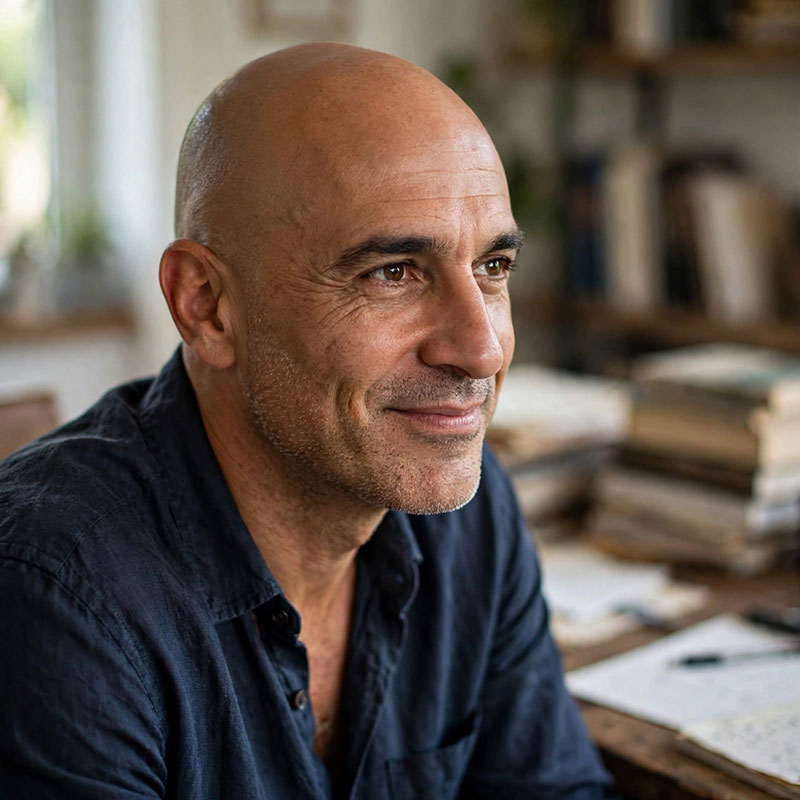
Marco Bellinari is a contributing author at Econopass.com, specialising in history, human behaviour, and the kind of facts that make you question everything you thought you knew.
Born in Bologna, Italy, Marco studied History and Philosophy at the University of Bologna before spending two decades moving between cities, continents, and careers. That restlessness turned out to be an education in itself. He has lived and worked in four countries, picked up three languages, and developed an enduring obsession with the gap between the official version of events and what actually happened.
His writing is driven by a single conviction: the truth is almost always stranger, darker, and more interesting than the story we were told. Whether he is dismantling a myth about Napoleon, explaining why your brain physically hurts when someone ignores you, or uncovering the law that makes it illegal to be overweight in Japan, Marco brings the same rigorous respect for verified fact and the same refusal to let a good story be boring.
At Econopass, Marco co-writes with editor Simon De Lafronde across three categories: The Forgotten Truth, Why We Do That, and Stranger Than Fiction. Every claim is sourced. Every article is built to make you think twice.
No bots, no shortcuts. If your needs go beyond the free posts, the author also offers paid professional consultations; just reach out via the contact page.
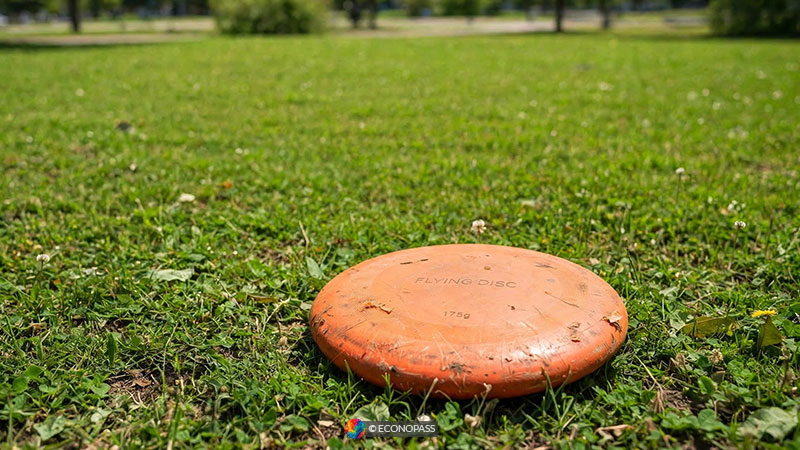
Ed Headrick invented the modern Frisbee. He spent his life throwing them. When he died, he asked to be cremated and pressed into one. His family said yes.
You know that $9.99 is basically ten dollars. Your brain knows it too. And yet it still works, every single time. The reason is not stupidity. It is architecture.
Every Swiss schoolchild knows the story. The tyrannical Austrian governor. The apple on the son’s head. The crossbow bolt that split it clean. The hero who went on to spark a revolution. The problem is that no Swiss source from the 14th century mentions any of it.
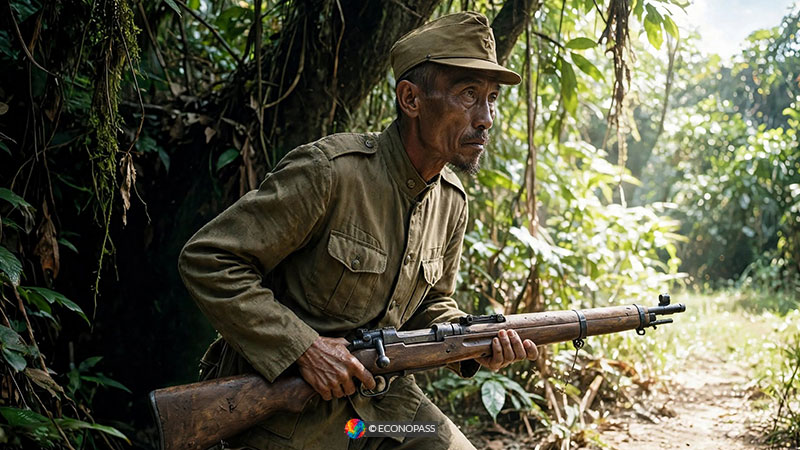
He did not surrender. He did not defect. He did not stop. For twenty-nine years, Hiroo Onoda fought a war that had ended before most of the people reading this were born. The jungle did not break him. The silence did not reach him. And when he finally came out, the world he stepped into had no idea what to do with him.
Everyone knows the Titanic. Almost nobody knows the Britannic. She was bigger, she was better built, she was ready for everything the Titanic was not. She also sank. And history never made room for her.
In a forest in northwestern Poland, roughly 400 pine trees grow with a sharp curve at their base, all bending in the same direction. They were planted around 1930. Nobody left a record of why they look the way they do.
The apple story is clean, memorable, and almost entirely wrong. Newton did not have a sudden revelation in an orchard. What he had was a twenty-year argument with himself, a dispute with a colleague, and a deadline he almost missed.
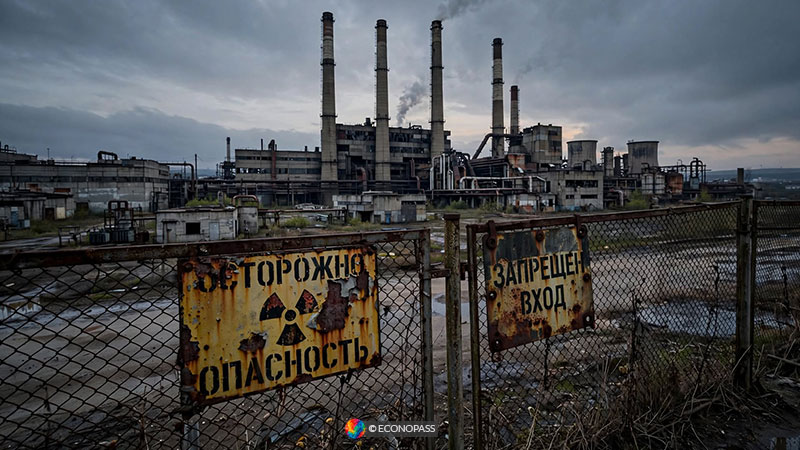
In April 1979, people in the Soviet city of Sverdlovsk began dying of a mysterious illness. The government said it was bad meat. It was not bad meat. What it actually was remained classified for over a decade, and the cover-up required an entire city to lie at once.
You remember the first item on the list. You remember the last. Everything in the middle is gone. This is not a flaw in your memory. It is a feature, and psychologists named it a century ago.
These articles and stories are free because of a few non-intrusive ads. To support us, simply turn off your ad blocker for Econopass. It takes one click on the ad blocker icon in your browser. Thank you!
We use cookies to ensure that we give you the best experience on Econopass website. If you continue to use this site we will assume that you are happy with it.