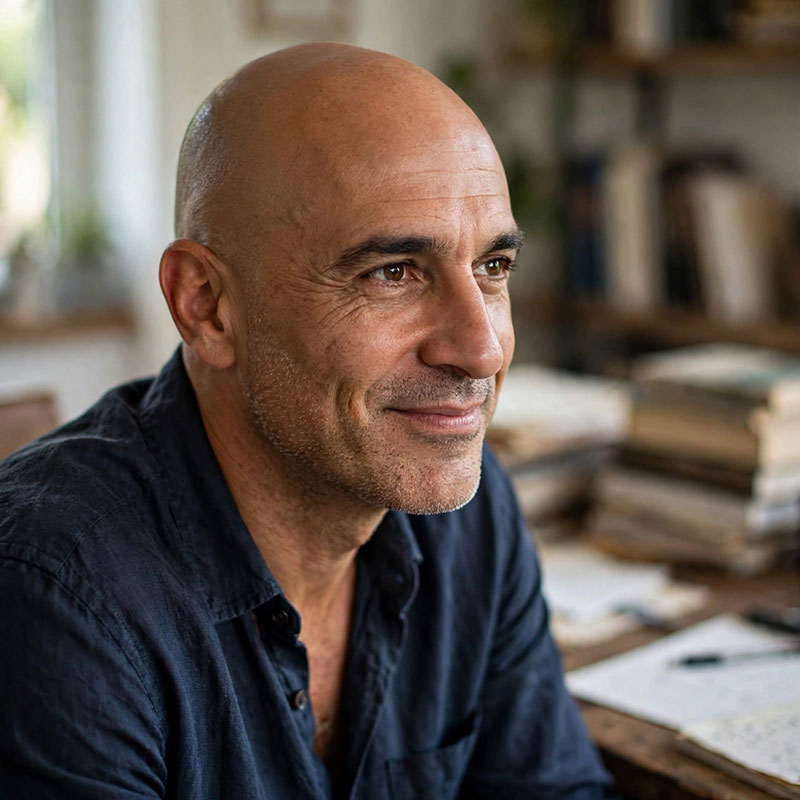
Marco Bellinari is a contributing author at Econopass.com, specialising in history, human behaviour, and the kind of facts that make you question everything you thought you knew.
Born in Bologna, Italy, Marco studied History and Philosophy at the University of Bologna before spending two decades moving between cities, continents, and careers. That restlessness turned out to be an education in itself. He has lived and worked in four countries, picked up three languages, and developed an enduring obsession with the gap between the official version of events and what actually happened.
His writing is driven by a single conviction: the truth is almost always stranger, darker, and more interesting than the story we were told. Whether he is dismantling a myth about Napoleon, explaining why your brain physically hurts when someone ignores you, or uncovering the law that makes it illegal to be overweight in Japan, Marco brings the same rigorous respect for verified fact and the same refusal to let a good story be boring.
At Econopass, Marco co-writes with editor Simon De Lafronde across three categories: The Forgotten Truth, Why We Do That, and Stranger Than Fiction. Every claim is sourced. Every article is built to make you think twice.
No bots, no shortcuts. If your needs go beyond the free posts, the author also offers paid professional consultations; just reach out via the contact page.
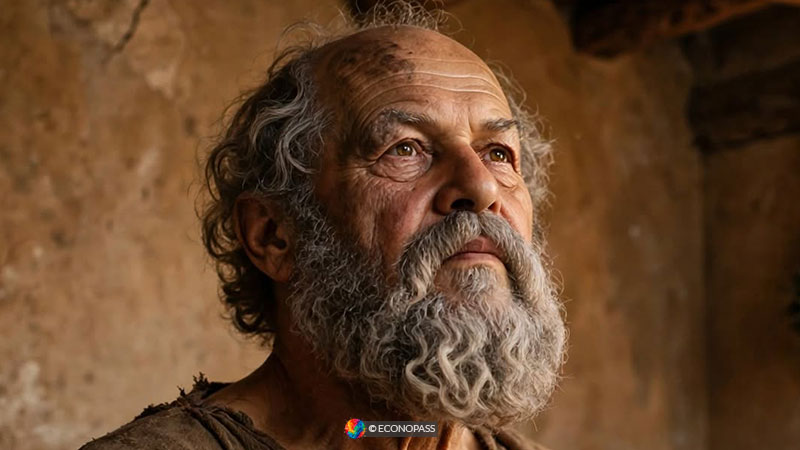
The charges against Socrates were impiety and corrupting the youth. The trial happened five years after Athens lost a catastrophic war and was briefly ruled by tyrants who counted Socrates among their associates. The charges were the only legal option available.
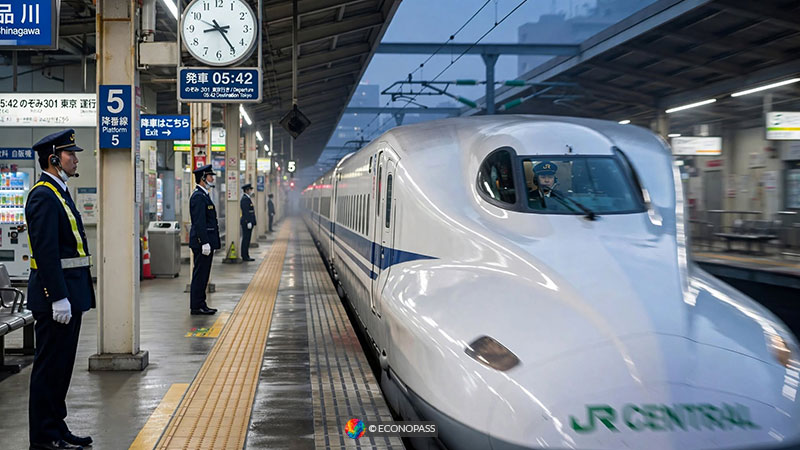
The average delay on Japan’s Shinkansen network is measured in seconds, not minutes. In 2017, a train left a station twenty seconds early and the railway company issued a formal public apology. This is not a quirk. It is a system.
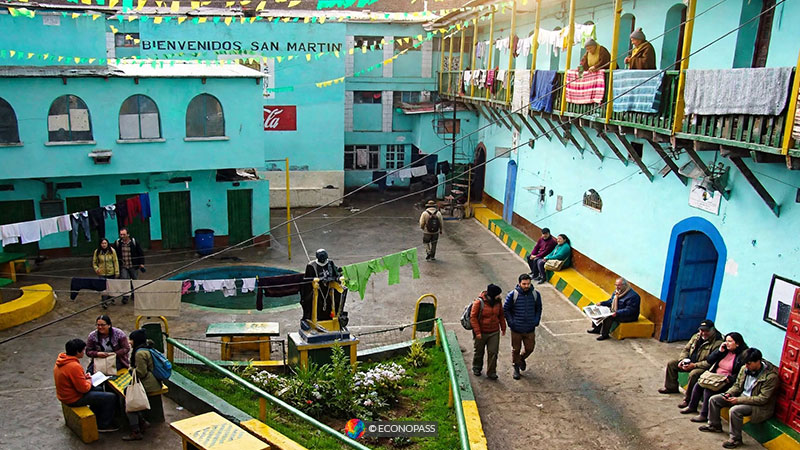
San Pedro Prison in La Paz sits in the middle of a residential neighbourhood. Inmates buy their own cells. Families move in. Restaurants serve paying customers. For years, tourists paid guards to get inside and take a tour.
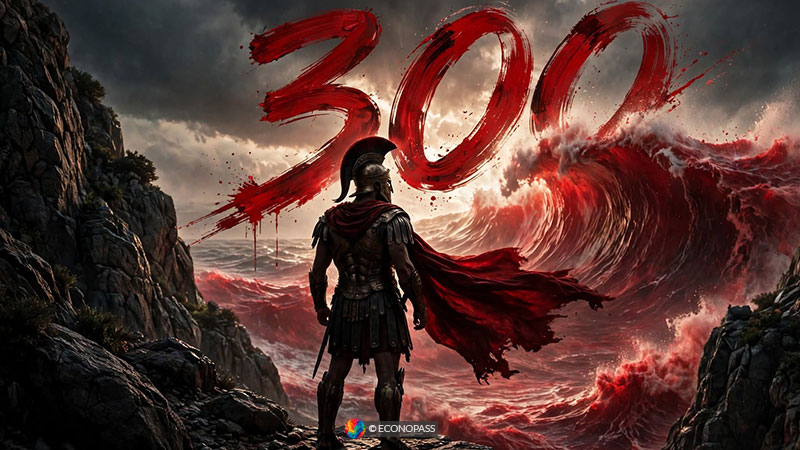
The Greek force at Thermopylae numbered somewhere between 5,000 and 7,000 soldiers from across the Greek city-states. The 300 were real. They were also roughly four percent of the total. History remembered the four percent and forgot almost everyone else.
Boredom has been treated as a problem to solve since the invention of the smartphone. It is not a problem. It is a neurological state the brain uses to do some of its most important work, and the near-total elimination of idle time from modern life is costing more than anyone has measured.
On January 17, 1966, a B-52 bomber carrying four hydrogen bombs collided with a tanker aircraft over the Spanish coast. The bombs fell on the village of Palomares and into the sea. The Spanish government learned about it from the press.
Everyone assumes they cannot remember being a baby because the brain was too immature to store memories. That is not what the evidence shows. The brain was storing memories. Something else erased them.
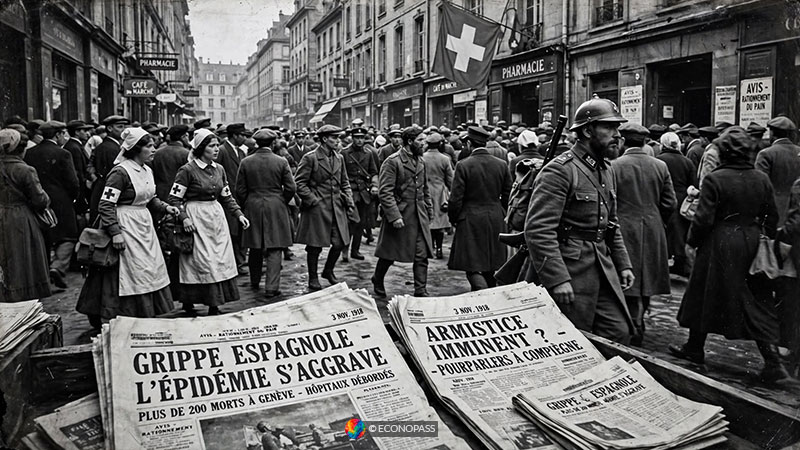
The deadliest pandemic in modern history was named after a country that had nothing to do with its origin. Spain did not export the virus. Spain simply had a free press while everyone else was lying. The name stuck anyway.
Several times a year, a beach on Costa Rica’s Nicoya Peninsula turns black at night. Not dark. Black. The sand disappears under hundreds of thousands of olive ridley sea turtles arriving simultaneously, on a schedule no one has fully explained.
These articles and stories are free because of a few non-intrusive ads. To support us, simply turn off your ad blocker for Econopass. It takes one click on the ad blocker icon in your browser. Thank you!
We use cookies to ensure that we give you the best experience on Econopass website. If you continue to use this site we will assume that you are happy with it.