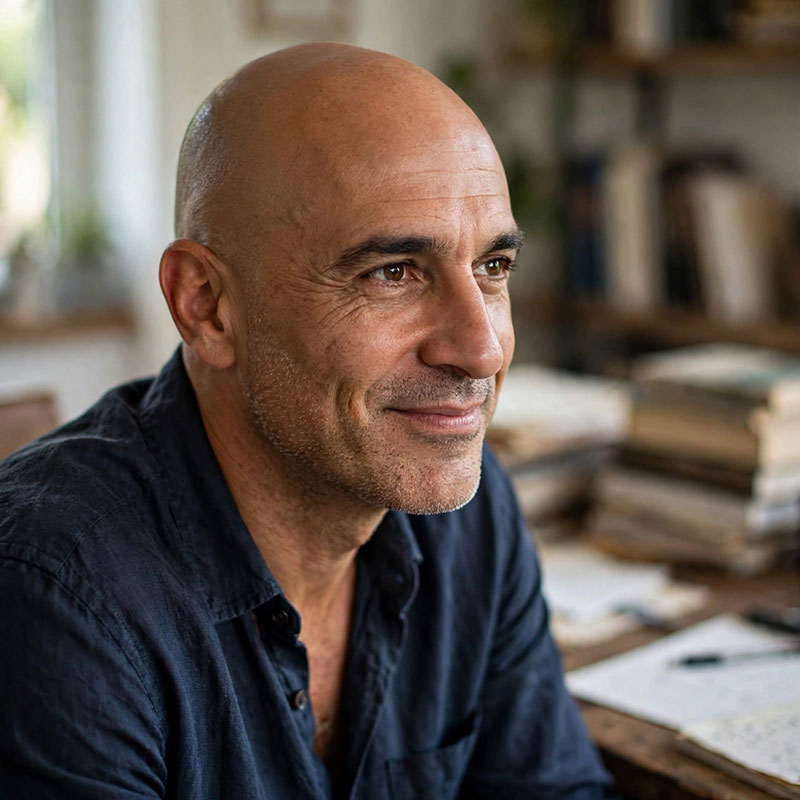
Marco Bellinari is a contributing author at Econopass.com, specialising in history, human behaviour, and the kind of facts that make you question everything you thought you knew.
Born in Bologna, Italy, Marco studied History and Philosophy at the University of Bologna before spending two decades moving between cities, continents, and careers. That restlessness turned out to be an education in itself. He has lived and worked in four countries, picked up three languages, and developed an enduring obsession with the gap between the official version of events and what actually happened.
His writing is driven by a single conviction: the truth is almost always stranger, darker, and more interesting than the story we were told. Whether he is dismantling a myth about Napoleon, explaining why your brain physically hurts when someone ignores you, or uncovering the law that makes it illegal to be overweight in Japan, Marco brings the same rigorous respect for verified fact and the same refusal to let a good story be boring.
At Econopass, Marco co-writes with editor Simon De Lafronde across three categories: The Forgotten Truth, Why We Do That, and Stranger Than Fiction. Every claim is sourced. Every article is built to make you think twice.
No bots, no shortcuts. If your needs go beyond the free posts, the author also offers paid professional consultations; just reach out via the contact page.
In group decision-making studies, the most confident voices consistently gained the most influence, regardless of whether they were right. The confidence heuristic is not a character flaw. It is a cognitive system built for a world that no longer exists in quite the same form. The question is whether you can notice it in time to do anything about it.
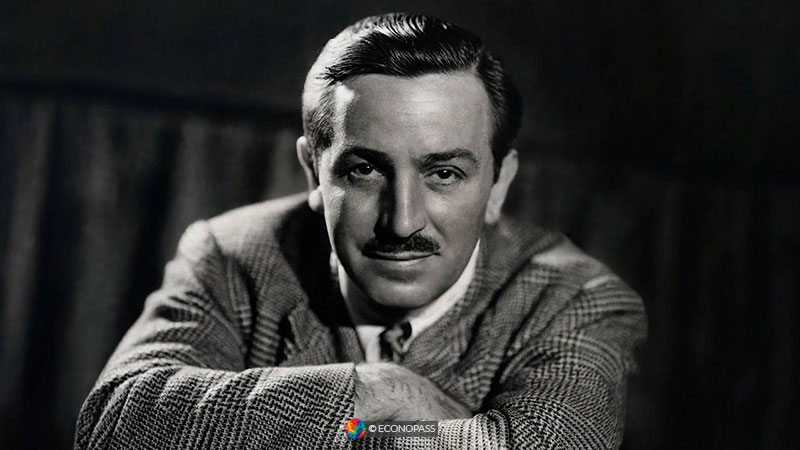
Walt Disney died on December 15, 1966. He was cremated two days later. The first human ever cryonically preserved was James Bedford, on January 12, 1967, twenty-eight days after Disney was already ash. The story has no source, no evidence, and is physically impossible given the timeline. It has survived for nearly sixty years anyway.
You have the same nerve endings, the same fingers, and the same skin. But you cannot tickle yourself. The reason reveals something your brain is doing every second of your life, predicting everything before it happens, and filtering out what it already knows is coming.
Since the 1950s, over six hundred dogs have jumped from the same spot on a bridge near Dumbarton, Scotland. Roughly fifty did not survive. Some that did climbed back up and jumped again. Nobody has confirmed why.
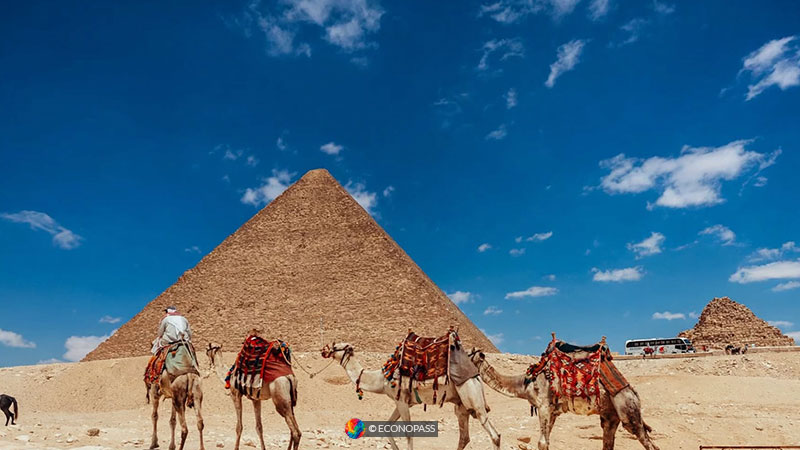
The slave narrative comes from Herodotus, who wrote two thousand years after the pyramids were finished. We have the workers’ village, the papyri, the food records, and the tombs. The people who built the Great Pyramid ate meat, worked in shifts, and were buried with honor.
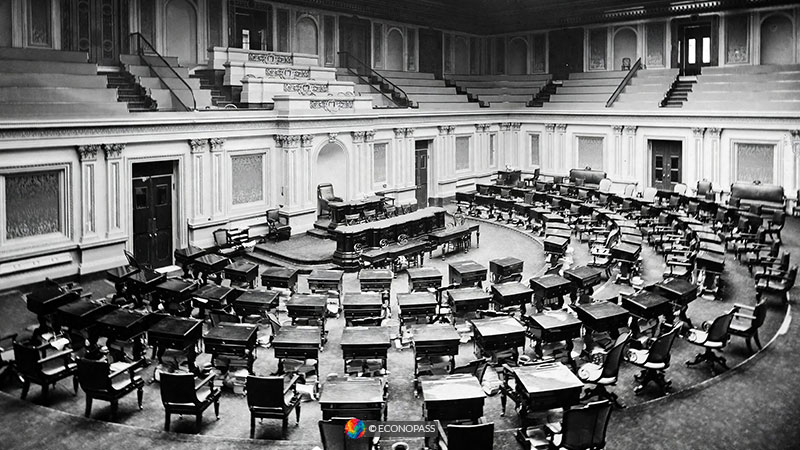
The Republican Party of today would be unrecognizable to Ronald Reagan. What changed is not the country’s needs. What changed is the story being told about what those words mean, and the evidence shows exactly where that story leads.
Ferdinand Magellan died on a beach in the Philippines sixteen months before his expedition reached home. The man who actually completed the first circumnavigation of the globe was a Basque sailor named Juan Sebastian Elcano. He received a coat of arms with a globe on it. History gave the credit to a dead man.
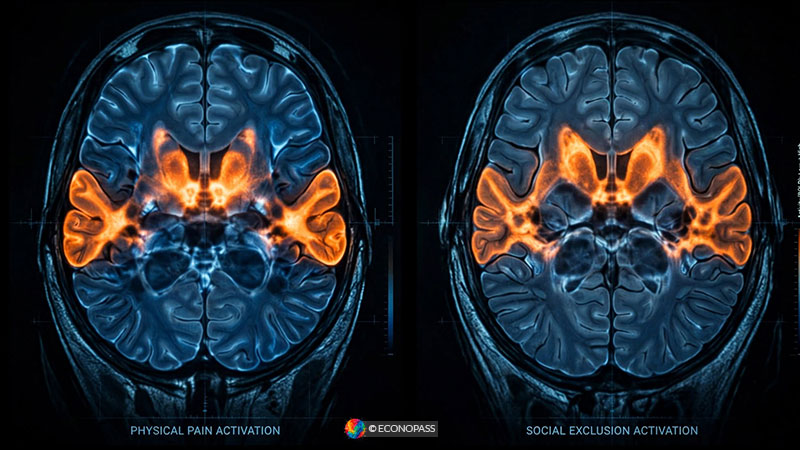
A 2003 fMRI study found that social exclusion activates the same brain region as physical pain. Researchers used a video game snub to trigger it. The neural response was identical to injury. The pain of rejection is not a figure of speech. It is a biological signal built by evolution.
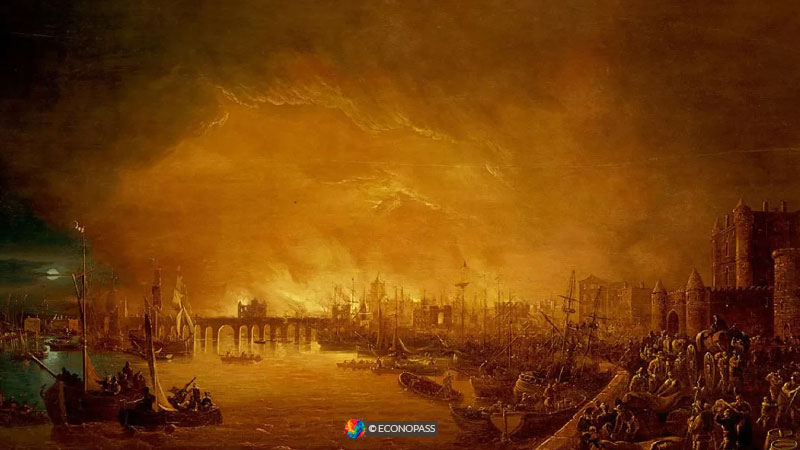
Everyone knows the Great Fire of London ended the plague. That story has one problem: the plague was already gone. The fire arrived a year after the epidemic peaked, burned the wrong part of the city, and got the credit anyway.
These articles and stories are free because of a few non-intrusive ads. To support us, simply turn off your ad blocker for Econopass. It takes one click on the ad blocker icon in your browser. Thank you!
We use cookies to ensure that we give you the best experience on Econopass website. If you continue to use this site we will assume that you are happy with it.