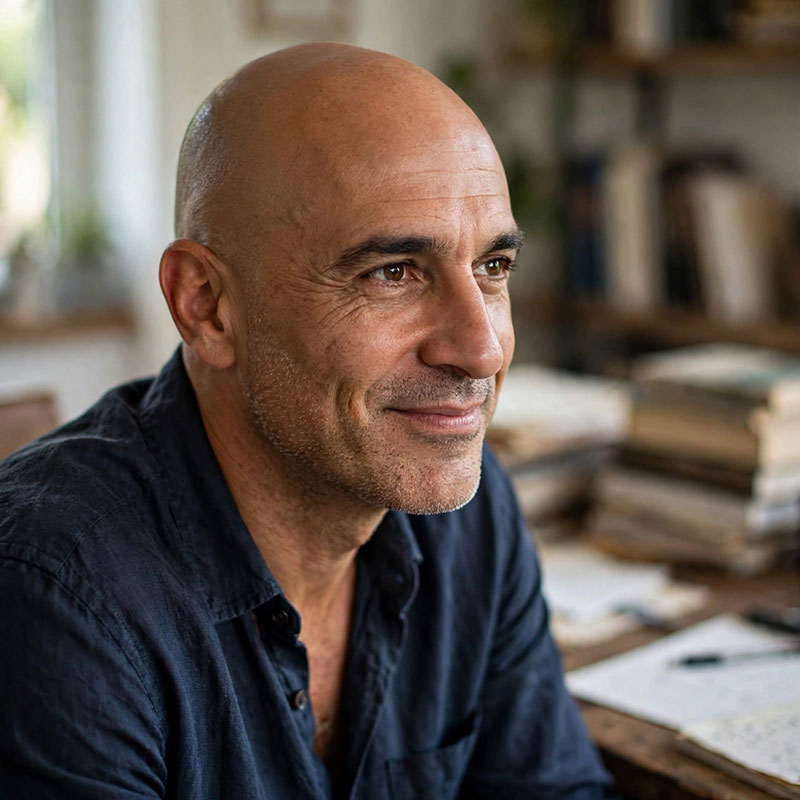
Marco Bellinari is a contributing author at Econopass.com, specialising in history, human behaviour, and the kind of facts that make you question everything you thought you knew.
Born in Bologna, Italy, Marco studied History and Philosophy at the University of Bologna before spending two decades moving between cities, continents, and careers. That restlessness turned out to be an education in itself. He has lived and worked in four countries, picked up three languages, and developed an enduring obsession with the gap between the official version of events and what actually happened.
His writing is driven by a single conviction: the truth is almost always stranger, darker, and more interesting than the story we were told. Whether he is dismantling a myth about Napoleon, explaining why your brain physically hurts when someone ignores you, or uncovering the law that makes it illegal to be overweight in Japan, Marco brings the same rigorous respect for verified fact and the same refusal to let a good story be boring.
At Econopass, Marco co-writes with editor Simon De Lafronde across three categories: The Forgotten Truth, Why We Do That, and Stranger Than Fiction. Every claim is sourced. Every article is built to make you think twice.
No bots, no shortcuts. If your needs go beyond the free posts, the author also offers paid professional consultations; just reach out via the contact page.
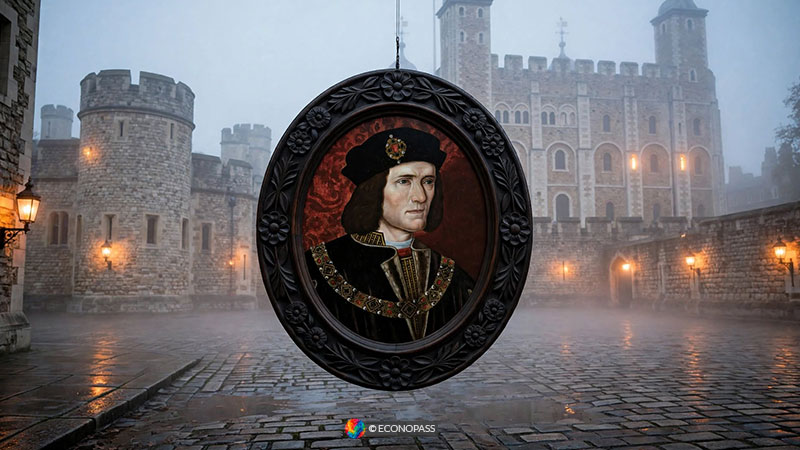
Richard III has been England’s official murderer for five centuries. The case against him was built by the people who took his crown, written by a man who was five years old when the crime allegedly happened, and sealed by Shakespeare under Tudor patronage. None of that makes it true.
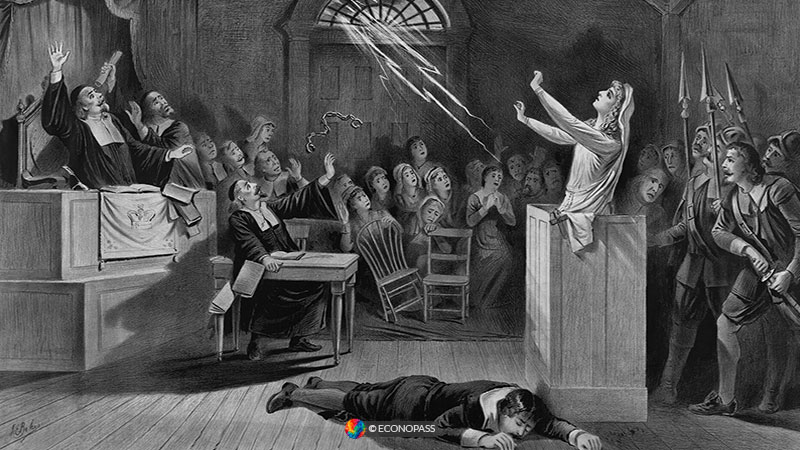
Nineteen people were hanged in Salem in 1692. The accepted explanation has always been religious panic. The land records tell a different story. The accused clustered in a pattern that had nothing to do with the devil and everything to do with who owned what.
Your brain finishes other people’s sentences before they do. This is not empathy or attentiveness. It is a prediction system running on your own assumptions. The sentence it generates is usually yours, not theirs.
The most famous thing Marie Antoinette ever said, she never said. Rousseau wrote the line in the 1760s, when she was a child in Vienna. By the time it was attached to her name, she was already dead and unable to correct the record.
Israeli parole judges gave favorable rulings sixty-five percent of the time at the start of a session and nearly zero percent just before a break. The cases had not changed. Their brains had. The time of day you make a decision is a variable the decision itself cannot control for.
In 1986 a Dutch ambassador visited eight square miles of English island to sign a peace treaty ending a war declared in 1651. No shots had been fired. No one had died. The war had simply been forgotten, sitting live on the diplomatic record for three hundred and thirty-five years.
About half the population experiences physical chills when certain music hits. The other half does not, and never will in the same way. The difference shows up in brain scans. It has a name, a mechanism, and a personality profile attached to it.
Lloyd’s of London has been pricing maritime risk since 1688. It does not charge a surcharge for the Bermuda Triangle. When a researcher spent years checking the original sources for every famous disappearance in the region, he found storms disguised as calm weather, ships that had been found presented as missing, and events relocated from hundreds of miles away to fit the map.
In October 1918, the Lost Battalion was surrounded in the Argonne Forest and being shelled by their own artillery. Every radio was down. Every runner had been killed. A carrier pigeon named Cher Ami was the last option. It flew twenty-five miles after being shot, with one eye gone and a leg hanging by a tendon. One hundred and ninety-four men survived.
These articles and stories are free because of a few non-intrusive ads. To support us, simply turn off your ad blocker for Econopass. It takes one click on the ad blocker icon in your browser. Thank you!
We use cookies to ensure that we give you the best experience on Econopass website. If you continue to use this site we will assume that you are happy with it.