
Table of Contents
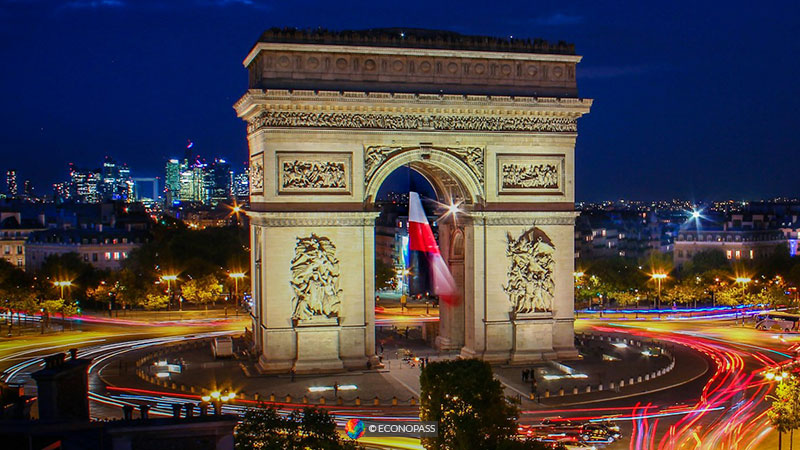
Key Takeaways
- Paris rewards slow, deliberate exploration — the best moments happen off the main tourist trail
- Three to five days is the ideal first visit; enough to cover the essentials without rushing
- The city is best navigated on foot and by metro — avoid taxis in central arrondissements
- Booking major attractions like the Louvre and Eiffel Tower in advance is non-negotiable in peak season
- The real Paris lives in its neighbourhood cafés, markets, and side streets — not its souvenir shops
Short Answer
Paris is one of the world’s most visited cities for good reason, but first-timers often make the mistake of trying to see everything at once. This itinerary focuses on what’s genuinely worth your time: iconic landmarks balanced with quieter neighbourhood discoveries, practical logistics, and the kind of unhurried café culture that makes Paris feel like nowhere else.
The City That Rewards Those Who Slow Down
I’ll be honest about Paris: my first visit was a mild disaster. I had a list of seventeen things to see in four days, a poorly chosen hotel near a train station, and the stubborn conviction that I could walk everywhere. I saw the Louvre in two exhausted hours and ate a forgettable crêpe standing up outside Notre-Dame.
It took a second visit, slower, with no fixed agenda past 11am, to understand what the city actually offers. A long lunch that stretched into the afternoon. A walk through the Marais that turned into an accidental gallery visit. An evening on the Canal Saint-Martin that had nothing to do with tourism at all. That version of Paris is the one worth planning for.
When to Go
Paris has no bad season, but each has a distinct character. Spring (April–June) brings blossom, mild temperatures, and the city at its most photogenic. Summer is peak tourist season — crowds at major attractions are significant, but the long evenings are genuinely magical. Autumn is arguably the finest time to visit: comfortable temperatures, fewer crowds, and the city in warm amber light. Winter is cold but atmospheric, with Christmas markets and far shorter queues at museums.
Avoid the last two weeks of July and all of August if possible — many Parisians leave the city entirely, and a surprising number of neighbourhood restaurants and shops close.
Getting There and Around
Paris is served by two main airports: Charles de Gaulle (CDG) to the northeast, handling most international flights, and Orly (ORY) to the south, primarily European routes. From CDG, the RER B train connects directly to central Paris in around 35 minutes — far preferable to a taxi in traffic.
Within the city, the metro is fast, cheap, and covers virtually everything you’ll need. Buy a carnet of ten tickets or a weekly Navigo pass if you’re staying five days or more. Walking between arrondissements is often more enjoyable than taking the metro for short distances — Paris’s central neighbourhoods are compact and endlessly interesting at street level.
Where to Stay
Arrondissement choice matters significantly in Paris. For first-timers, the 3rd and 4th (the Marais) offer the best combination of central location, walkability, and neighbourhood character. The 6th (Saint-Germain-des-Prés) is quieter and literary; the 1st is convenient but expensive and tourist-heavy. Avoid hotels in the 8th unless budget is no concern — you’ll pay a premium for proximity to the Champs-Élysées, which is genuinely one of Paris’s least interesting streets.
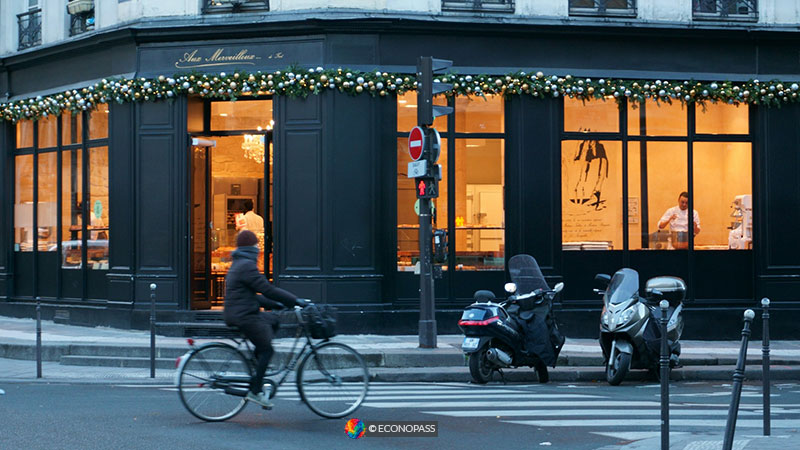
A First-Timer’s Itinerary
Day 1: The Icons, Done Properly
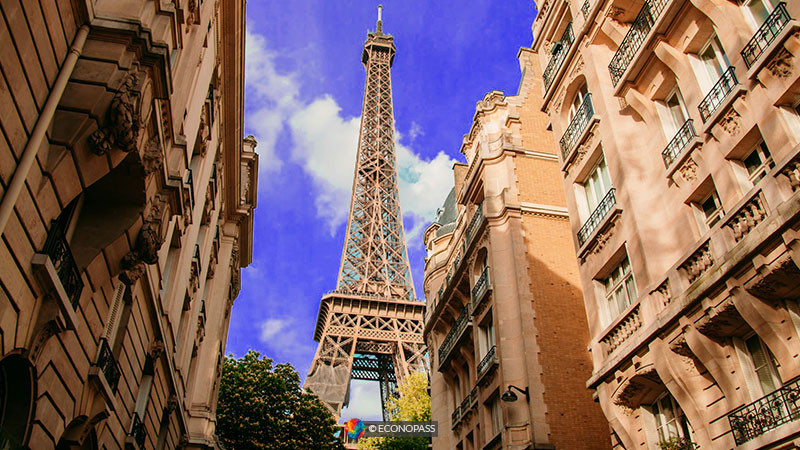
Start at the Eiffel Tower — book tickets online well in advance for the summit, or simply walk beneath it at Champ de Mars for the full perspective. From there, cross the Seine to the Musée d’Orsay: the Impressionist collection alone justifies the visit, and it’s far less overwhelming than the Louvre as a first museum experience. End the afternoon with a walk along the Seine quays toward Notre-Dame, currently in its final stages of restoration following the 2019 fire. Dinner in the 5th arrondissement — the Latin Quarter has tourist traps but also genuinely good bistros on its quieter streets.
Day 2: The Louvre and the Marais
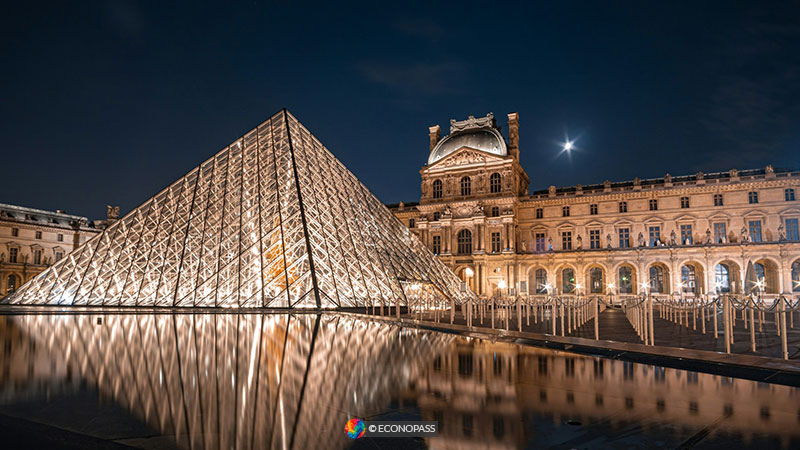
Dedicate a morning to the Louvre — book the first entry slot available and focus on two or three collections rather than attempting a sweep of the whole museum. The Richelieu wing is consistently less crowded than the Denon wing housing the Mona Lisa. Afternoons belong to Le Marais: the Place des Vosges, the Musée Picasso, independent galleries, and the best falafel in the city on Rue des Rosiers. This neighbourhood rewards wandering without agenda.
Day 3: Montmartre and a Slower Pace
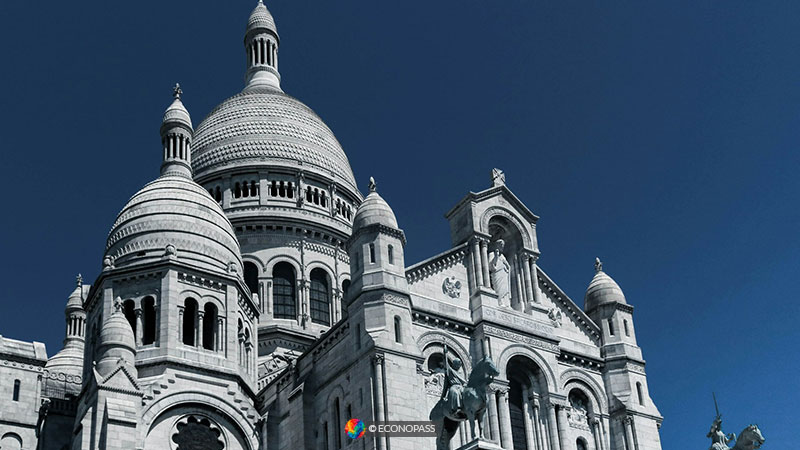
Montmartre is best experienced early — before the tour groups arrive. Walk up through the vineyard steps to Sacré-Cœur for the view, then explore the village-like streets behind the basilica rather than the tourist-heavy Place du Tertre. The afternoon can be spent at the Centre Pompidou for modern art, or simply at a café in Saint-Germain with a book and no particular plan. Both are equally valid uses of a Paris afternoon.
Day 4–5: Beyond the Obvious
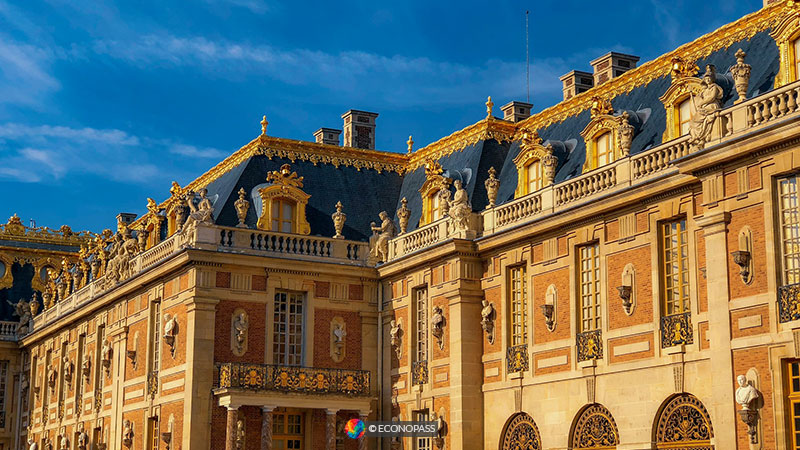
If you have additional days, Versailles merits a half-day trip by RER C — focus on the gardens as much as the palace. The Palais Royal gardens, the covered passages of the 2nd arrondissement, and the Canal Saint-Martin in the 10th all offer a Paris that feels less curated and more lived-in. The 11th and 12th arrondissements have some of the city’s best restaurants at a fraction of the 6th’s prices.
Practical Tips
- Book in advance: Eiffel Tower, Louvre, Musée d’Orsay, and Versailles all require timed entry tickets in peak season. Same-day availability is rarely guaranteed. The tour company listed above in this page is highly recommended.
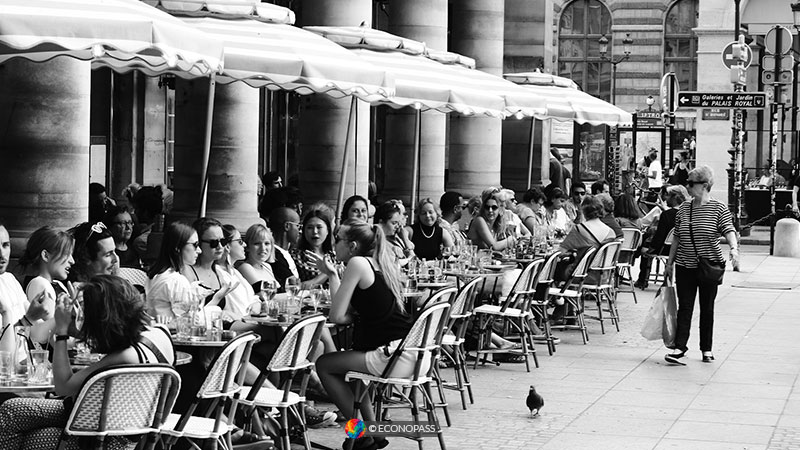
- Eat where locals eat: If a restaurant has photos on the menu and a host outside beckoning you in, keep walking. The best meals are found on streets one block back from the main tourist routes.
- Learn three phrases: Bonjour, s’il vous plaît, and merci go further than you might expect. Parisians respond warmly to visitors who make the minimal effort. Lexylabs will be helpful (and indeed free) to get you started or refreshed with French.
- Paris Museum pass: The Paris Museum Pass covers entry to 50+ sites including the Louvre, Musée d’Orsay, and Versailles. Worth calculating against your planned visits before buying.
Paris on Any Budget
Paris has a reputation for expense that is partly deserved and partly myth. The museums are genuinely excellent value — the permanent collections of the Louvre and Musée d’Orsay are free for EU residents under 26. Markets like Marché d’Aligre and Marché des Enfants Rouges offer outstanding food at accessible prices. A picnic on the Seine with bread, cheese, and wine from a local supermarché remains one of the finest free experiences the city offers.
Where costs escalate is in hotels and restaurants in the central arrondissements. Staying in the 10th, 11th, or 18th and commuting in by metro cuts accommodation costs significantly without sacrificing much in convenience. For practical strategies on managing travel costs more broadly, our budget travel guide covers approaches that apply directly to European city breaks.
A City That Asks Something of You
Paris is not a passive city. It does not arrange itself for your convenience or meet you halfway. It asks you to slow down, to sit with a coffee longer than feels productive, to get mildly lost in an arrondissement you didn’t plan to visit. In return, it offers something that very few cities can: the persistent, persuasive sensation that there is nowhere else you would rather be.
Go with a loose plan. Leave room for the afternoon that goes sideways. That’s when Paris tends to reveal itself.
Frequently Asked Questions
How many days do I need in Paris?
Three days covers the essential highlights at a reasonable pace. Five days allows for a more relaxed experience including day trips and neighbourhood exploration. Less than three days will feel rushed unless you’re a very focused traveller.
Is Paris safe for tourists?
Paris is generally very safe for tourists. Petty theft and pickpocketing occur in crowded areas — the metro, major attractions, and busy markets — so standard urban precautions apply. Keep valuables secure and be aware of your surroundings in very touristy zones.
What is the best area to stay in Paris for first-timers?
Le Marais (3rd and 4th arrondissements) is the most consistently recommended area for first-time visitors: central, walkable, with excellent restaurants and neighbourhood character. Saint-Germain-des-Prés (6th) is quieter and elegant but pricier.
Do I need to speak French to visit Paris?
No — English is widely spoken in hotels, restaurants, and tourist areas. That said, a basic greeting in French (bonjour, merci) is genuinely appreciated and tends to improve interactions noticeably. Get these free French lessons for travelers on Lexylabs.
When should I book Eiffel Tower tickets?
As early as possible — ideally 60 to 90 days in advance during spring and summer. The official booking site releases tickets on a rolling basis; same-day availability during peak season is extremely limited. The ticket desk presented here above is highly recommended.
Sources
- Paris Travel Guides
- The New York Times
- Paris Tourist Office — Official visitor information and event listings.

A Note from Simon de Lafronde
The advice and information in this article come from my experience and research. It’s intended to support your reading with evidence-based insights. If the article is covering wellness or any other health topics, this is not professional advice. Please consult appropriate professionals for your specific situation.
📖 Read More