
Table of Contents
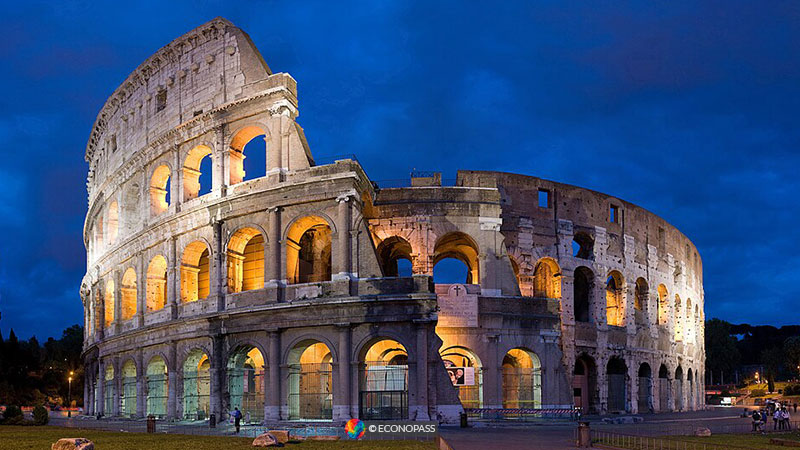
Photo by DAVID ILIFF ❤ . License: https://creativecommons.org/licenses/by-sa/3.0/
Key Takeaways
- Italy rewards slow travel: each major city deserves at least two full days minimum
- Rome, Florence, and Venice are the classic trio, but smaller cities like Bologna and Siena often leave a deeper impression
- Train travel between Italian cities is excellent, affordable, and far preferable to flying for most routes
- Booking major sites: the Vatican, Uffizi, and Venice’s Doge’s Palace, well in advance is essential in peak season
- The best Italian experiences are rarely in the most obvious places: the neighbourhood trattoria beats the tourist restaurant every time

Amazon Smart Plug
Turn any outlet smart in seconds. Schedule lights, fans, coffee makers — no hub required, works with Alexa.
View on AmazonShort Answer
Italy is one of the world’s great travel destinations, a country where extraordinary art, architecture, food, and landscape exist in almost every direction. This guide focuses on the classic cities of Rome, Florence, and Venice, with practical advice on getting there, getting around, and getting beyond the tourist surface to what makes each place genuinely memorable.
A Country That Gets Under Your Skin
I have lost count of how many times I have been to Italy. It started with a student trip to Rome that went badly wrong, a missed train, a hostel that bore no resemblance to its photographs, and three days of rain. And yet I came back the following year, and the year after that. Italy has a particular quality that is difficult to articulate: a density of beauty and history at street level that makes even an ordinary afternoon feel significant.
The country also has a talent for humbling the over-prepared traveller. The best meal I ever ate in Florence was in a place with no menu, recommended by a man I met waiting for a bus. No amount of research would have found it. Italy rewards the willingness to deviate from the plan.
When to Go
April, May, and early June offer the best balance of pleasant weather and manageable crowds, widely considered the finest time to visit. September and October are equally excellent: summer heat has eased, tourist numbers drop noticeably after the school holiday period, and the light in autumn is extraordinary.
July and August bring intense heat and peak crowds, particularly in Rome and Florence. Venice in August is a particular ordeal. Winter (November–February) sees far fewer tourists, lower prices, and a more authentic atmosphere, at the cost of shorter days and occasional rain.
Getting Around Italy
Italy’s train network is one of Europe’s best. High-speed Frecciarossa trains connect Rome, Florence, and Venice efficiently, Rome to Florence in 1.5 hours, Florence to Venice in just over 2 hours. Book in advance through Trenitalia or Italo for the best fares. For routes to smaller towns, regional trains are slower but scenic and cheap.
Driving is worthwhile for rural Tuscany, the Amalfi Coast, and Sicily, but unnecessary, and often counterproductive, in major cities. Most Italian city centres are ZTL zones (restricted traffic areas) that carry automatic fines for unauthorised vehicles.
Rome: The Eternal City
Rome operates on a scale that takes time to absorb. Two full days covers the essential sites; three allows for a more human pace. The Colosseum and Roman Forum deserve a half-day, book timed entry tickets in advance and consider an early morning slot before the heat and crowds build. The Vatican Museums and Sistine Chapel require advance booking and a half-day minimum; the queues for walk-ins can exceed three hours in summer.
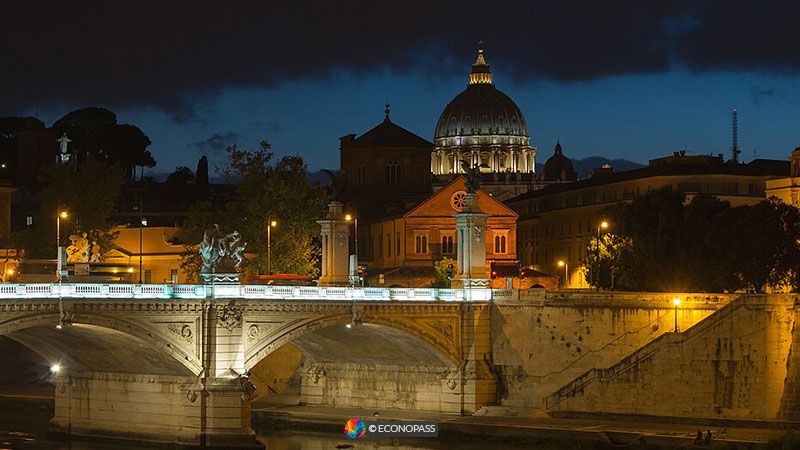
Beyond the icons, Rome’s neighbourhoods reward exploration. Trastevere retains a genuinely local character in the evenings. Pigneto and Prati are where Romans actually eat and drink. The Borghese Gallery, bookings essential, numbers strictly limited, houses one of Italy’s finest sculpture collections in a setting that feels almost private.
Florence: Art at Every Turn
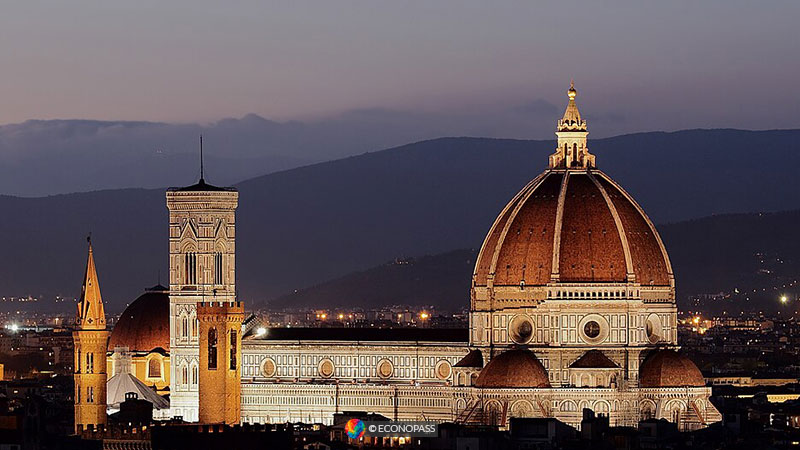
Florence is compact enough to cover on foot and dense enough to occupy a week without exhausting its possibilities. The Uffizi Gallery is non-negotiable, book tickets weeks in advance and allow three to four hours minimum. Botticelli’s Primavera and The Birth of Venus are the obvious draws, but the collection rewards wandering beyond them.
The Accademia houses Michelangelo’s David, genuinely as impressive in person as its reputation suggests. The Duomo and Brunelleschi’s dome merit the climb for the view across the city. For an afternoon away from the crowds, cross the Arno to the Oltrarno neighbourhood: the Boboli Gardens, independent artisan workshops, and the Pitti Palace occupy a quieter, more residential Florence that most day-trippers never reach.
Venice: Like Nowhere Else
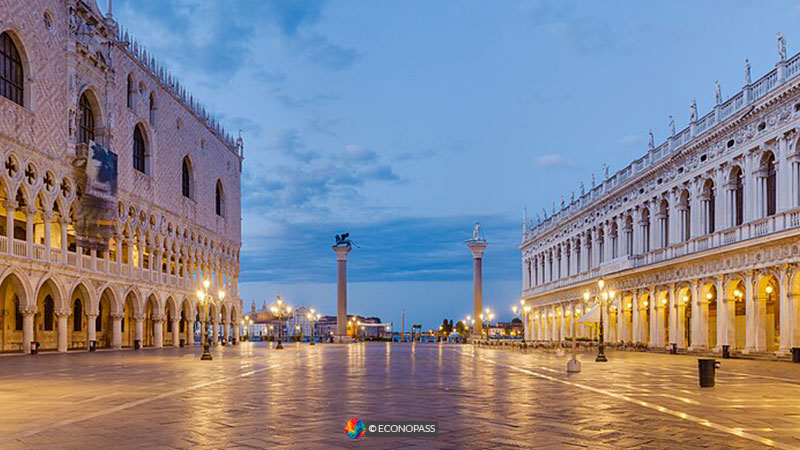
Venice is simultaneously overrun with tourists and unlike anywhere else on earth, a contradiction that somehow resolves in favour of the visit. The key is timing. Arrive early, before the day-trippers disembark from the cruise ships, and stay late enough to see the city after they leave. The difference between Venice at 8am and Venice at 11am is remarkable.
The essential sights: St Mark’s Basilica, the Doge’s Palace, and the Rialto Bridge, are legitimately worth seeing. But the best of Venice is found by getting lost in the Cannaregio or Castello sestieri, away from the San Marco tourist concentration. A vaporetto ride along the Grand Canal at dusk costs the price of a transit ticket and delivers one of Europe’s great views.
Beyond the Classic Three
Italy’s lesser-visited cities consistently outperform expectations. Bologna, Italy’s food capital and home to Europe’s oldest university, is livelier, cheaper, and less crowded than Florence with a remarkable historic centre. Siena and San Gimignano in Tuscany offer medieval Italy with far fewer crowds than their fame might suggest, particularly outside summer. Naples is chaotic, occasionally overwhelming, and genuinely thrilling, and the gateway to Pompeii, the Amalfi Coast, and some of Italy’s finest pizza. Sicily rewards those with time: a distinct culture, extraordinary Greek ruins, and food that differs markedly from the north.
Practical Tips
- Book everything in advance: The Vatican, Uffizi, Colosseum, Accademia, and Borghese Gallery all require timed entry. Walk-in queues in peak season are brutal.
- Validate train tickets: Regional train tickets must be validated in the yellow machines on the platform before boarding, an unvalidated ticket carries a fine regardless of purchase.
- Eat away from the monuments: Any restaurant within 200 metres of a major tourist site is almost certainly overpriced and underwhelming. Walk two streets back.
- Dress for churches: Shoulders and knees must be covered to enter most Italian churches, including St Peter’s Basilica and the Sistine Chapel. Carry a scarf or light layer.
- Aperitivo culture: In northern Italy particularly, bars serve free food with evening drinks during aperitivo hour (roughly 6–8pm). An excellent and economical way to eat well.
[IMAGE: Canal view in Venice with gondolas and colourful buildings reflected in the water – amateur overhead phone photo from a bridge, soft morning light, no filters]
Italy on a Budget
Italy is more affordable than its reputation suggests, particularly outside the peak summer months. Museum entry fees are reasonable by European standards, and many state museums offer free entry on the first Sunday of the month. Eating well on a budget is genuinely possible, a tavola calda (self-service lunch counter) or a market lunch will cost a fraction of a restaurant meal with no loss of quality. Accommodation costs drop significantly in shoulder season, and smaller cities are consistently cheaper than Rome, Florence, and Venice. For broader strategies on stretching your travel budget across Europe, our budget travel guide has practical approaches that apply directly here.
Italy Doesn’t Reward Rushing
The traveller who tries to see Rome, Florence, Venice, the Amalfi Coast, and Sicily in ten days will see all of them and experience none of them. Italy is a country that asks for time, time to sit with an espresso and watch a piazza fill and empty, time to get lost and find something better than what you were looking for, time to eat a long lunch and not feel guilty about the afternoon it consumes.
Give it that time. Come back for the parts you missed. Italy has a way of ensuring that you always will.
Frequently Asked Questions
How long should I spend in Italy?
Ten to fourteen days allows a comfortable visit to Rome, Florence, and Venice with time for day trips. A week is workable but will feel rushed across all three cities. Two weeks or more opens up the possibility of smaller cities and regions like Tuscany, the Amalfi Coast, or Sicily.
Is Italy expensive to visit?
Italy sits in the mid-range for European travel. Major museums and accommodation in peak season represent the biggest costs. Eating and drinking well is very achievable on a modest budget, especially at lunch, when many restaurants offer fixed-price menus at excellent value.
What is the best way to travel between Italian cities?
High-speed trains are the most practical option for the Rome–Florence–Venice corridor. They are fast, comfortable, and,booked in advance, very affordable. Domestic flights rarely save meaningful time once airport transfers are factored in.
Is it safe to travel in Italy?
Italy is a very safe destination for tourists. The primary concern is petty theft and pickpocketing in crowded tourist areas, particularly in Rome and on public transport. Standard urban precautions, secure bags, awareness in crowds, are sufficient.
Do I need to speak Italian?
English is widely spoken in hotels, major restaurants, and tourist areas in all major cities. Outside the main tourist zones, particularly in smaller towns and rural areas, basic Italian phrases are genuinely useful and warmly appreciated.
Sources
- ENIT — Italian National Tourist Board. Official visitor information.
- Trenitalia — Official Italian rail booking.

A Note from Simon de Lafronde
The advice and information in this article come from my experience and research. It’s intended to support your reading with evidence-based insights. If the article is covering wellness or any other health topics, this is not professional advice. Please consult appropriate professionals for your specific situation.
📖 Read More