
Table of Contents
Key Takeaways
- Japan is one of the most logistically straightforward countries in the world to visit: public transport is exceptional
- Two weeks is the ideal minimum for Tokyo, Kyoto, and Osaka with meaningful time in each
- The Japan Rail Pass offers significant savings for multi-city itineraries: purchase before you arrive
- Cherry blossom season (late March to early April) is spectacular but requires booking accommodation many months ahead
- Japan rewards curiosity and patience, the country’s depth reveals itself gradually, not all at once

Kindle Paperwhite 2026
New 7″ flush-front aluminum design, weeks of battery, glare-free in any light. The e-reader that stays on your nightstand permanently.
View on AmazonShort Answer
Japan is an exceptional travel destination that consistently exceeds expectations. Efficient, safe, visually extraordinary, and culinarily remarkable, it combines ancient culture with contemporary urban life in a way found nowhere else. This guide covers the essential cities: Tokyo, Kyoto, and Osaka, with practical advice for making the most of a first or returning visit.
The Country That Keeps Surprising You
Japan was not a destination I expected to love as immediately as I did. I arrived in Tokyo with modest expectations: a city I assumed would be overwhelming and impenetrable, and found instead a place of extraordinary order, quiet courtesy, and a density of excellent food on every block that bordered on the absurd.
What struck me most was the gap between Japan’s reputation for complexity and the reality of travelling there. The trains run to the minute. The signage is bilingual in major cities. People go out of their way to help a confused foreigner with a map. Japan is, paradoxically, one of the easiest countries in the world to navigate as a first-time visitor, and one of the most rewarding to return to.
When to Go
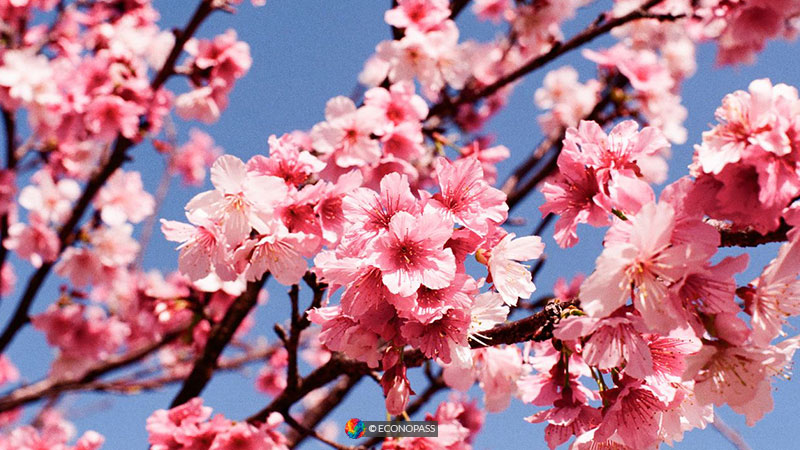
Cherry blossom season (late March to early April) is Japan at its most iconic, and its most crowded. Accommodation books out months in advance and prices peak. It is worth the effort, but requires early planning. Autumn (mid-October to mid-November) offers equally beautiful foliage, slightly fewer crowds, and arguably more comfortable temperatures. May and June are pleasant and less crowded, though June brings the rainy season. Summer (July–August) is hot, humid, and busy with domestic tourism. Winter is cold but clear, excellent for visiting Hokkaido for snow, and the least crowded period for the main tourist circuit.
Getting There and Around
Tokyo is served by two airports: Narita (NRT) and Haneda (HND). Haneda is closer to central Tokyo and generally preferable for convenience. From either airport, rail connections to the city centre are fast and straightforward.
The Japan Rail (JR) Pass is worth purchasing before departure for itineraries covering multiple cities: it covers the Shinkansen (bullet train) network as well as most JR local lines. A 14-day pass covers Tokyo–Kyoto–Osaka and most regional routes comfortably. Within cities, IC cards (Suica or Pasmo) work on virtually all metro, bus, and local rail services and can be loaded and topped up at any station machine.
Tokyo: Three Days Minimum
Tokyo is one of the world’s great cities — vast, layered, and endlessly interesting. Three days covers the essential neighbourhoods at a reasonable pace; a week barely scratches the surface.
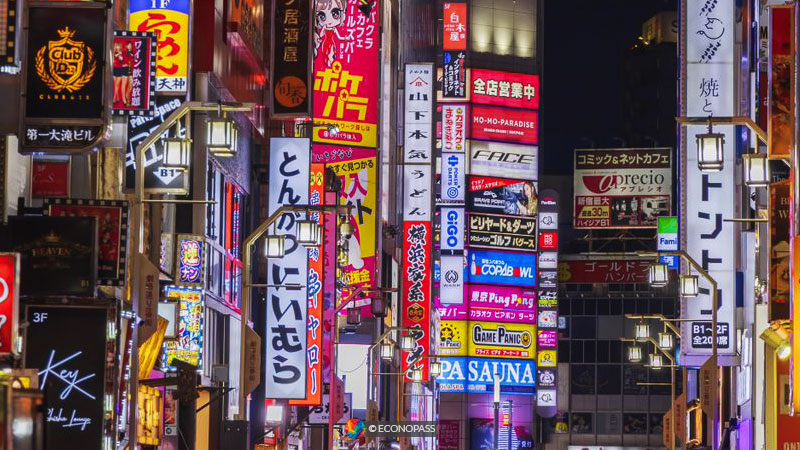
Shinjuku offers the full sensory assault of modern Tokyo — neon, crowds, the Golden Gai bar district, and the best people-watching in the city. Shibuya‘s famous scramble crossing is as impressive in person as its photographs suggest. Asakusa provides the contrast: the Senso-ji Temple and the surrounding Nakamise shopping street offer a glimpse of older Tokyo, best experienced at dawn before the crowds arrive.
Beyond the landmarks: Yanaka is a preserved old neighbourhood that survived wartime bombing, its low wooden buildings and independent shops feeling genuinely apart from the surrounding city. Shimokitazawa is Tokyo’s bohemian heart: vintage shops, live music venues, and cafés without a tourist in sight. The teamLab digital art museums are worth the advance booking for something entirely without precedent.
Kyoto: Japan’s Cultural Heart
Kyoto served as Japan’s imperial capital for over a thousand years, and the weight of that history is present in almost every neighbourhood. The city contains more UNESCO World Heritage Sites than any comparable area on earth, 17 within the city and its immediate surroundings.
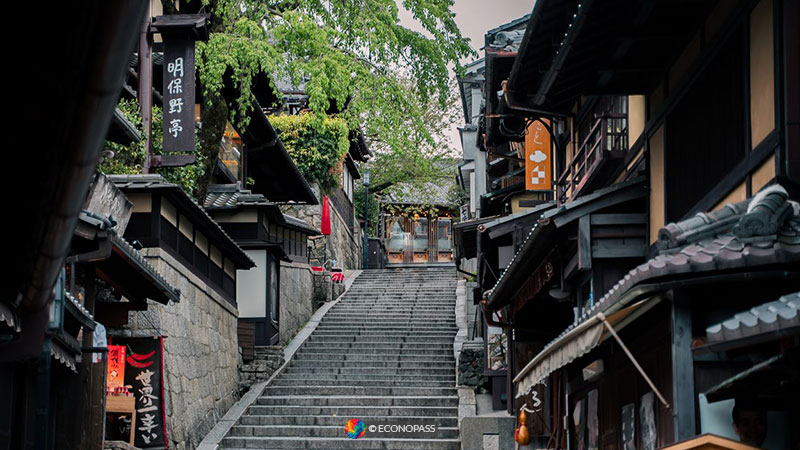
The essential Kyoto experiences: the Fushimi Inari Shrine with its thousands of vermillion torii gates, go at dawn or dusk to avoid the worst crowds, and walk beyond the first section where most visitors turn back. The Arashiyama bamboo grove is brief but genuinely beautiful at the right hour. Gion, Kyoto’s geisha district, rewards an early evening walk when lanterns illuminate the wooden machiya townhouses. The Philosopher’s Path in spring or autumn is one of Japan’s finest walks.
Kyoto also makes an excellent base for day trips to Nara (30 minutes by train, free-roaming deer and the enormous Todai-ji temple) and Osaka, close enough to visit in a day but rewarding enough to deserve its own nights.
Osaka: Food, Energy, Character
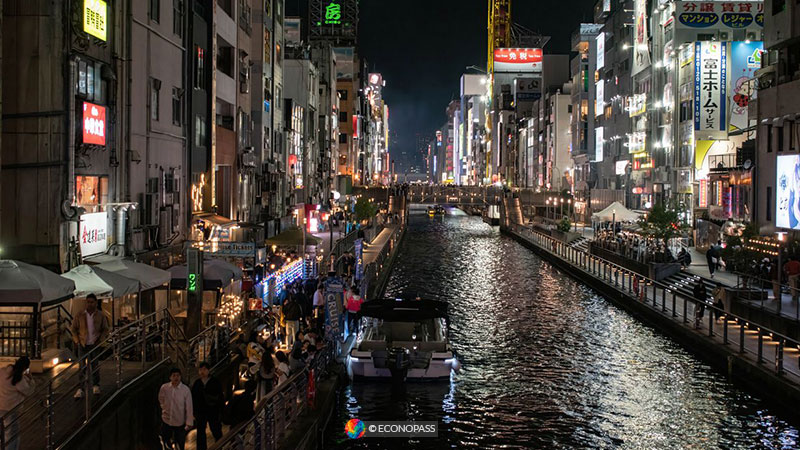
Osaka has a personality distinct from Tokyo and Kyoto — louder, more direct, and with an obsessive relationship with food that has earned it a global culinary reputation. The Dotonbori district is garish and chaotic and entirely worth an evening. Osaka Castle and the surrounding park merit a morning. The Shinsekai neighbourhood offers a retro urban atmosphere increasingly rare in Japanese cities.
But the real reason to spend time in Osaka is to eat. Takoyaki (octopus balls), okonomiyaki (savoury pancakes), and kushikatsu (skewered, breaded and fried everything) are the local specialities, available at every price point from street stalls to dedicated restaurants.
Practical Tips
- Cash still matters: Japan remains largely cash-based outside major tourist areas. Carry yen, 7-Eleven and Japan Post ATMs reliably accept foreign cards.
- Pocket WiFi or SIM: Rent a pocket WiFi router at the airport or purchase a data SIM, essential for navigation and translation apps.
- Shoes you can remove: Temples, traditional restaurants, and some accommodation require removing shoes at the entrance. Slip-ons simplify this considerably.
- Convenience stores are excellent: 7-Eleven, FamilyMart, and Lawson in Japan bear no resemblance to their Western equivalents. Hot food, excellent onigiri, and ATMs: genuinely useful daily.
- Quiet on public transport: Phone calls on trains are considered rude. Keep voices low and phones on silent, the social norm is observed almost universally.
Japan and the Budget Question
Japan’s reputation for expense is outdated. Outside of accommodation in peak season, daily costs for a independent traveller are very reasonable, convenience store meals are nutritious and cheap, public transport is efficient and not expensive relative to distances covered, and entry fees to most temples and shrines are modest. The JR Pass represents significant value for multi-city itineraries. Accommodation ranges from excellent-value business hotels to traditional ryokan guesthouses that represent some of the finest hospitality anywhere. For first-timers managing costs across a longer Asian itinerary, our budget travel guide offers useful frameworks that apply across the region.
A Country Worth Returning To
Japan is one of those rare destinations that rewards return visits as richly as first ones. The first trip teaches you the logistics and the surface. The second trip begins to reveal the depth. Most people who go once go back — often with a specific region, season, or obsession in mind that the first visit planted.
Go with an open itinerary where possible. Eat everything. Get lost in at least one neighbourhood per city. And if the bullet train to Kyoto passes Mount Fuji on a clear morning, put the guidebook down and watch.
Frequently Asked Questions
Is Japan difficult to navigate as a first-time visitor?
Less difficult than most people expect. Major train stations have bilingual signage, Google Maps works reliably for public transport navigation, and English is spoken at most tourist-facing businesses in major cities. The learning curve flattens quickly after the first day.
How much does a trip to Japan cost?
A comfortable independent trip runs roughly $100–150 USD per day including accommodation, food, transport, and entry fees, less if you use budget accommodation and convenience stores regularly, more in peak season or at high-end ryokan. The JR Pass (approximately $400–500 for 14 days) is a significant upfront cost that pays for itself on a Tokyo–Kyoto–Osaka itinerary.
Do I need to book in advance for cherry blossom season?
Yes, accommodation in Kyoto and Tokyo during late March to early April books out many months in advance. Prices also peak during this period. Book as early as six months ahead for good availability.
What is the best city to base myself in Japan?
Tokyo for urban exploration and day trips north; Kyoto for cultural depth and proximity to Nara, Osaka, and the Kansai region. Most itineraries split time between both rather than choosing one as a sole base.
Is Japan safe for solo travellers?
Japan is consistently ranked among the safest countries in the world for solo travellers, including solo women. Violent crime rates are extremely low, public transport is reliable at all hours, and the culture of courtesy extends to interactions with strangers.
Sources
- Japan National Tourism Organization — Official visitor information.
- Japan Guide — Comprehensive travel information and seasonal updates.

A Note from Simon de Lafronde
The advice and information in this article come from my experience and research. It’s intended to support your reading with evidence-based insights. If the article is covering wellness or any other health topics, this is not professional advice. Please consult appropriate professionals for your specific situation.
📖 Read More