

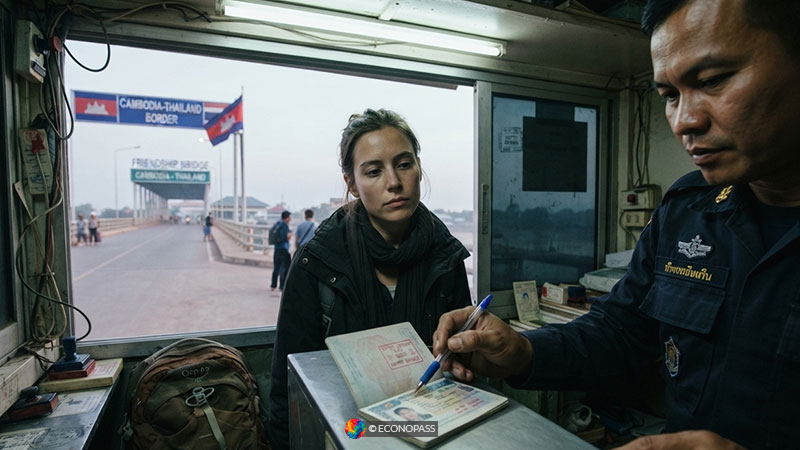
She arrived at the Poi Pet border crossing at 7:14 in the morning with a confirmed hotel reservation in Siem Reap and sixteen days still showing on her Thai tourist visa. She had done the calculation the night before. She was certain.
The immigration officer at the Thai side reviewed her passport for twelve seconds. Then he explained something she had not understood until that moment.
The visa was valid for sixty days. That was not in dispute. What she had not noticed, and what the officer pointed to with a ballpoint pen, was the word printed beside the duration: single entry. The two terms occupy the same document. They are not the same condition. She had used her single entry when she crossed into Thailand eleven days earlier. When she stepped into Cambodia, it was gone.
She could not come back in.
The Difference Between Duration and Entry
A tourist visa does not contain one condition. It contains two, and travelers frequently conflate them. The first is the validity window: the period during which the visa allows you to request entry. The second is the number of entries: how many times you may cross the border under that visa. A visa valid for sixty days with a single-entry designation permits exactly one crossing. After that crossing, the entry count is exhausted, regardless of how many days remain on the validity window.
The confusion is structural. The validity period is what most travelers focus on when planning their stay. The entry count is noted on the visa sticker or in the approval letter, often in abbreviated form. SE for single entry. ME for multiple entry. 2E for double entry. These abbreviations sit beside duration numbers that feel more urgent, and they are easy to miss.
A visa valid for sixty days does not mean you may enter sixty times. It means you may enter once, and stay up to sixty days. These are different permissions printed on the same document, and travelers have been stranded at borders for confusing them.

Anker PowerCore 10,000mAh
Charges an iPhone 3× over. Dual USB-C ports, pocket-sized, no cables needed at the airport.
View on AmazonThe Mechanics of Crossing Out
What catches travelers is the assumption that leaving preserves something. It does not. For single-entry visas, the act of departure finalizes the entry. Some travelers believe that a brief exit, overnight or for a few hours, functions as a pause in the visa timeline. It does not function that way at any border this reporter has observed.
The Thai tourist visa, one of the most commonly obtained visas in Southeast Asia, is issued as a single-entry document unless the applicant specifically requests and is granted a multiple-entry version. The standard sixty-day Tourist Visa carries the SE designation. Travelers who arrive on this visa and cross into Laos, Cambodia, or Malaysia for a weekend, expecting to re-enter on the same Thai tourist visa, discover at the border that this is not how it works.
The woman at Poi Pet was not the first. Border agents at high-traffic crossings in Southeast Asia encounter this situation with enough regularity that the explanation is practiced. The officer who spoke to her was not impatient. He had explained it before.
The border crossing at Poi Pet between Thailand and Cambodia is one of the busiest land crossings in the region. The staff on the Thai side process this particular misunderstanding with enough regularity that it has become a recognized category of arrival problem.
The Document That Did Not Lie
The visa did not misrepresent itself. This is what makes the situation distinct from fraud or error. Every condition was printed in the document. The validity window was there. The single-entry designation was there. The embassy that issued the visa disclosed all material terms at the point of issuance.
What the traveler did not do was read the abbreviation beside the duration number. This is not a rare failure. It is common enough that travel advisories from multiple foreign ministries include specific language about verifying entry conditions before planning any cross-border excursion.
The Schengen zone presents the same problem for travelers from countries that require visas to enter Europe. A single-entry Schengen visa permits entry into the zone once. Travelers who leave the Schengen area and attempt to re-enter on the same single-entry document discover that the remaining validity period does not restore the entry count. The entry conditions are tracked from the moment of first crossing, not from the moment of departure.
Travelers who have not read the entry designation on their Schengen visa have encountered this at airport transit points, at land borders, and at sea crossings throughout Europe. The document disclosed the condition. The abbreviation was on the sticker.
Schengen visa holders who leave the zone on a single-entry visa and attempt to re-enter discover that the remaining validity period does not reset the entry count. The visa stated this in two letters: SE. Those two letters carry the entire restriction.
What Happened After
The woman at Poi Pet had two options. She could apply for a new Thai tourist visa from Cambodia, which required visiting a Thai embassy or consulate, waiting the standard processing period, and paying the application fee again. Or she could revise her plans and remain on the Cambodian side for the duration.
She had a return flight from Bangkok.
She applied for a new visa from Phnom Penh. The process took three working days. She caught her flight by a margin she later described as uncomfortable.
None of this was the fault of the Thai immigration system. None of it was an error by the officer at Poi Pet. The visa had said single entry. She had not read that part of the visa.
The officer who explained this to her did so without judgment. He had, by his own account to a colleague within earshot, encountered the same situation eleven times in the previous month.
The document was correct all along. It said what it meant. It is a shorter story when travelers read the whole thing before they cross.
Not the highlights reel. Not the itinerary. Just what actually happened.
Simon De Lafronde
Sources
- Thailand e-Visa Official Portal, Royal Thai Government
- Schengen Visa Policy, European Commission
- Schengen Area Travel Information, UK Government

A Note from Simon de Lafronde
The advice and information in this article come from my experience and research. It’s intended to support your reading with evidence-based insights. If the article is covering wellness or any other health topics, this is not professional advice. Please consult appropriate professionals for your specific situation.
📖 Read MoreStill Curious? Don't Stop Here!

The Guidebook Said the Train From Hanoi Takes 17 Hours. It Takes 30. It Had Not Been Updat...
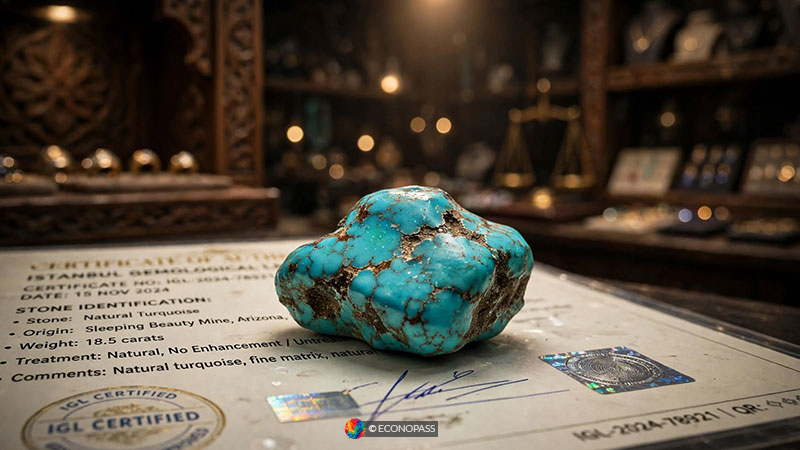
He Bought an Authenticated Turquoise Stone in the Grand Bazaar. The Certificate Was More C...
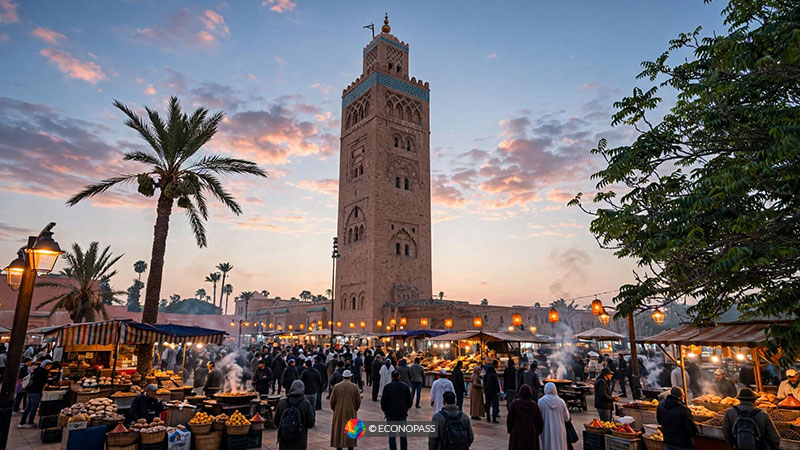
The Night Market in Marrakech Is the Most Photographed Square in Africa. It Is Also the Mo...
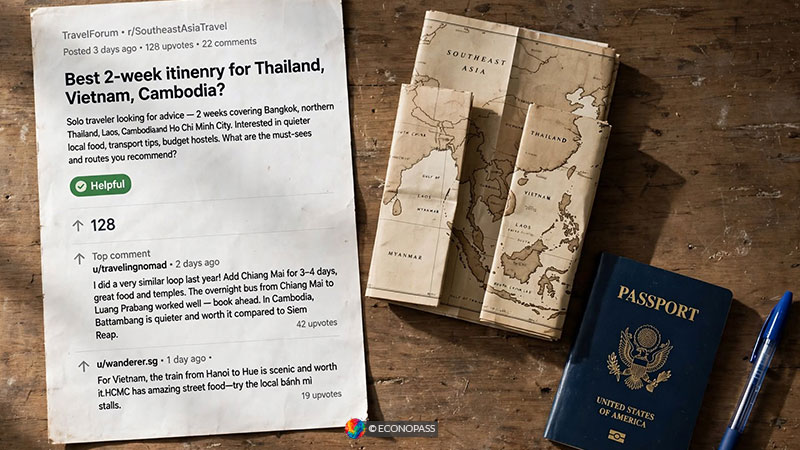
They Crossed Into Myanmar Through a Border Town Listed as Safe. The Forum Had Not Been Upd...

The Island Was Listed as a Premier Snorkeling Destination. The Reef Had Been Dead for Six ...

Mount Everest Has Over 200 Bodies on Its Slopes. Most Are Used as Landmarks. The Families ...
Venice Has Fewer Than 50,000 Residents for the First Time in Six Centuries. On Peak Days, ...