


There is a moment most people recognize but rarely stop to examine. You do something for someone else, something small, a held door, a listened-to problem, an hour given to a task that was not yours, and afterward you feel better than you did before. Not because you were thanked, not because you gained anything visible. Just better. The person you helped may have moved on already. The feeling stays. Research into why this happens points to a mechanism that is both ancient and surprisingly specific, and it runs in the opposite direction to what most people would predict.
The term researchers use is the “helper’s high.” It was first described in studies of volunteers in the 1980s, who reported a distinct physical sensation of warmth and energy following acts of helping. What was initially dismissed as anecdote has since been confirmed in neuroimaging studies: giving activates the mesolimbic system, the brain’s reward pathway, the same circuitry involved in food, sex, and social bonding. Helping someone releases dopamine. It also releases oxytocin, the neuropeptide associated with trust and social connection. The brain treats generosity as a reward in itself, not merely as a means to one.
A 2008 study by Elizabeth Dunn and colleagues at the University of British Columbia gave participants money and instructed half to spend it on themselves and half to spend it on others. At the end of the day, the people who had spent money on others reported significantly higher levels of happiness, regardless of how much they had spent. The amount was almost irrelevant. The direction was everything. Spending five dollars on a stranger produced more wellbeing than spending twenty on yourself.
Being helped, by contrast, produces a more complicated emotional response. Gratitude is real and documented, but it arrives alongside something else: a sense of debt, a subtle reduction in status, a reminder of need. Psychologists call this the threat to self-esteem that assistance can carry. When you receive help, you are positioned, however briefly, as the person who could not manage alone. The social calculus of dependence is not always comfortable, even when the help is welcome and genuinely needed.
Giving sidesteps this entirely. When you help, you are the capable one. You have something to offer. The act of giving confirms your own competence and social value in a way that receiving cannot. This is not cynicism. It is architecture. The brain does not distinguish between altruistic and self-serving motivations when it dispenses the reward. It simply registers that a prosocial act occurred and pays out accordingly.
Adam Grant’s research on workplace dynamics found that the highest performers in a range of professions were disproportionately people he categorized as givers: individuals who contributed to others without immediate expectation of return. The lowest performers were also disproportionately givers, specifically those who gave without boundaries. The difference between the two groups was not the willingness to help but the ability to sustain it. Strategic generosity, giving in ways that did not deplete the giver, produced the best outcomes for everyone involved, including the giver.
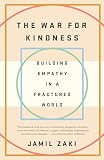
There is a timescale effect worth noting. The emotional benefit of receiving help tends to be immediate and then fades, sometimes leaving the residue of obligation behind. The benefit of giving tends to compound. Jamil Zaki’s work on empathy found that people who regularly engage in prosocial behavior develop stronger empathic capacity over time. Helping reshapes the helper. The more you do it, the more your brain orients toward connection and the easier it becomes to find satisfaction in it. Generosity is, in a meaningful sense, a trainable skill with compounding returns.
None of this makes helping purely selfless. The neuroscience makes clear that generosity is rewarding because it evolved to be. Social cooperation required reliable motivation, and the brain provides it. Knowing this does not reduce the value of helping. If anything, it removes the guilt some people feel about the good feeling that follows, as if enjoying the act somehow taints it. The enjoyment is the point. It is how the system sustains itself.
What the research keeps returning to is that humans are wired for connection, and helping is one of the most direct routes into it. Being helped connects you to another person’s generosity. Helping connects you to your own. The second experience, it turns out, is the more powerful one. Not because the helper is more important, but because agency produces a different kind of feeling than receiving does, and that feeling is what the brain was built to chase.
The next time you feel better after doing something for someone else, you are not imagining it and you are not being sentimental. You are running a very old program, and it is working exactly as designed.
Now you know. The question is what you do with it.
Simon De Lafronde


Sources
- Spending Money on Others Promotes Happiness (Science, 2008)
- Neural Correlates of Charitable Donation (PubMed Central)
- 5 Ways Giving Is Good for You (Greater Good Science Center)
- Doing Good Does You Good (APA Monitor)
- Oxytocin and Prosocial Behavior (PubMed)

A Note from Simon de Lafronde
The advice and information in this article come from my experience and research. It’s intended to support your reading with evidence-based insights. If the article is covering wellness or any other health topics, this is not professional advice. Please consult appropriate professionals for your specific situation.
📖 Read More