

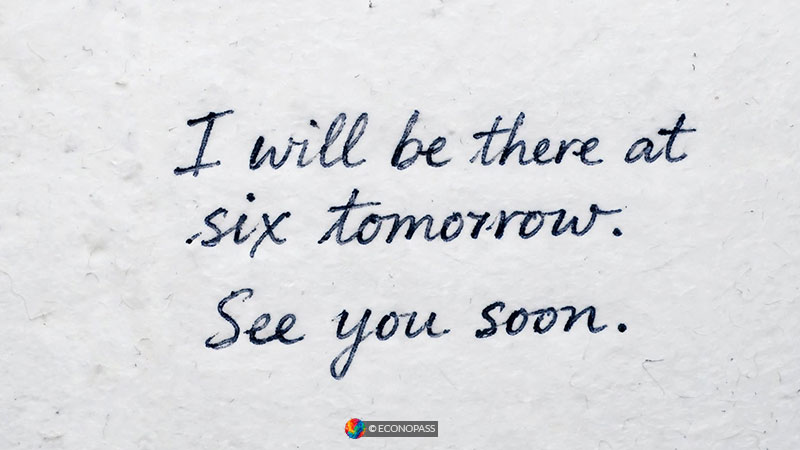
The Pen Knows Before You Do
You decide what to write. You choose the words, the sentence, the idea you want to put on the page. But the way you write it, the pressure you apply, the angle of your letters, the space between words, none of that is chosen. It happens below the level of intention. And it has been happening your entire writing life, leaving a record you never meant to keep.
Graphology, the study of handwriting as a window into psychological state, has existed for centuries. What modern research adds is something more precise: your handwriting does not just reflect your personality. It reflects how you are feeling right now. And it changes when you try to hide it.
What Changes When You Are Under Pressure
Studies measuring handwriting under stress consistently find the same patterns. Pressure on the page increases. Letter size becomes less consistent. Spacing between words narrows. The baseline, the invisible line your letters sit on, begins to drift. These are not things most people notice about their own handwriting. They are things that happen without permission.
When people are asked to lie in writing, their letters slow down. The brain is managing two tasks at once: the content and the concealment. The pen records the effort.
Researchers at the University of Haifa developed a tool called the Computerized Handwriting Analysis system, which detects emotional states through microscopic variations in pen movement, pressure, and timing. The system does not read the words. It reads the motion. In trials, it identified anxiety and depression with accuracy rates that surprised the researchers themselves.
The Signals You Cannot Control
The connection between emotional state and motor expression runs through the autonomic nervous system. When you are anxious, your muscles tighten, your grip stiffens, your movements become smaller and more controlled. When you are relaxed, your handwriting opens up, the loops widen, the letters lean forward with something close to ease. You do not decide any of this. Your nervous system makes the adjustment before conscious thought catches up.
Anger produces heavier, harder strokes. Grief tends to shrink the writing, as if the hand is trying to take up less space. Joy opens the letters outward.
This is why trained document examiners and certain forensic psychologists treat handwriting samples as behavioural data, not just text. A suicide note written under genuine distress looks different from one written under coercion. A signature produced under duress differs measurably from one produced freely, even when the signer tries to replicate it exactly.
Why Hiding Does Not Help
The interesting problem is what happens when people try to mask their state through their writing. They slow down, they concentrate, they attempt to produce consistent and neutral letterforms. The effort itself becomes visible. Controlled writing produced under emotional strain shows different microscopic hesitations than naturally calm writing. The attempt to suppress the signal creates a different signal.
This parallels what happens with other involuntary expressions. Suppressing a micro-expression takes deliberate effort, and that effort leaves traces. The body does not lie cleanly. It only produces more complex versions of the truth.
You can change what you write. You cannot fully change how writing feels in the hand when something is wrong. The pen has been paying attention longer than you have.
What This Means for You
You do not need a graphology expert to use this. Pay attention to your own handwriting on difficult days. Notice whether the letters are smaller than usual, whether you are pressing harder than normal, whether the lines are drifting. Your handwriting is giving you information about your own state that your conscious mind may be too busy to register.
It is not a diagnosis. It is a signal. The same system that records stress in ink can be read by the person holding the pen, if they know what to look for.
Your handwriting has been keeping a record of your inner life for as long as you have been writing. You just were not reading it.
Now you know. The question is what you do with it.
Simon De Lafronde
Want to understand yourself a little better? These books will help.


Sources
- NIH: Handwriting as an indicator of emotional state
- ResearchGate: Computerized Handwriting Analysis system, University of Haifa
- Scientific American: What handwriting reveals about the mind
- APA Monitor: The psychology of handwriting
- Psychological Science: Motor expression of emotional states

A Note from Simon de Lafronde
The advice and information in this article come from my experience and research. It’s intended to support your reading with evidence-based insights. If the article is covering wellness or any other health topics, this is not professional advice. Please consult appropriate professionals for your specific situation.
📖 Read More