
Table of Contents
Key Takeaways
- Paleo diet eliminates grains, legumes, dairy, and processed foods while emphasizing meat, fish, vegetables, fruits, nuts, and seeds — foods presumed available to Paleolithic ancestors
- Research shows short-term improvements: waist circumference reduced by 2.38cm, blood pressure lowered by 4.75/3.23 mmHg, and improved metabolic markers in studies up to 6 months
- No long-term studies demonstrate superiority over other well-researched diets like Mediterranean or plant-based patterns
- Benefits likely come from eliminating processed foods and increasing vegetables, not necessarily from excluding all grains and legumes
- Concerns include high cost, environmental impact, nutrient gaps from eliminating whole food groups, and lack of long-term sustainability data
Short Answer
The Paleo diet mimics presumed eating patterns of Paleolithic hunter-gatherers by emphasizing meat, fish, vegetables, fruits, nuts, and seeds while excluding grains, legumes, dairy, and all processed foods. According to a meta-analysis in PMC, paleo produces short-term reductions in body weight (1.68kg), waist circumference (2.72cm), blood pressure, and improved cholesterol markers. However, Harvard researchers note that benefits may stem from eliminating processed foods rather than excluding nutrient-rich whole grains and legumes, and no evidence shows paleo outperforms Mediterranean or plant-based diets long-term.
When My Friend Became a Paleo Evangelist
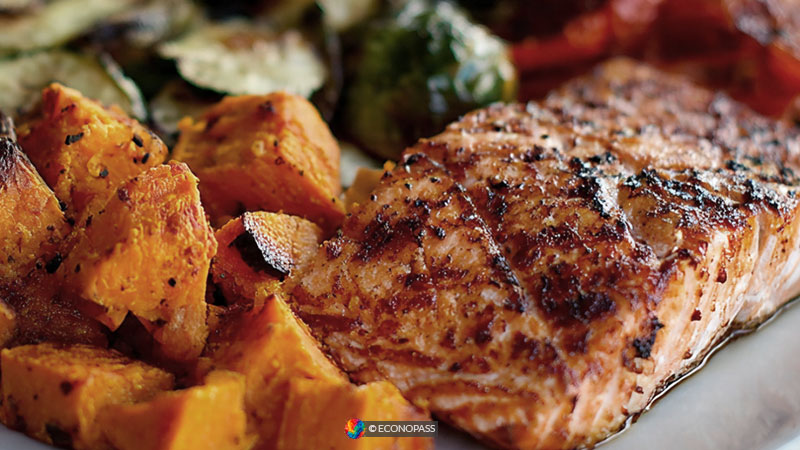
Emma started CrossFit at 35 and became evangelical about it within three months. Not just the workouts — the diet too. “Paleo changed everything,” she insisted one Saturday, showing me her meal prep containers: grilled chicken, roasted sweet potatoes, sautéed vegetables, almonds. No bread. No pasta. No yogurt. No cheese.
“Humans aren’t designed to eat grains or dairy,” she said confidently. “Agriculture only started 10,000 years ago. Our bodies haven’t adapted yet. That’s why everyone has inflammation and digestive issues.”
I’m a dietitian. That claim made me deeply skeptical. Humans have evolved in 10,000 years, didn’t we? 😊 — genetic changes in lactase persistence and amylase production prove it. We’re not identical to Paleolithic ancestors. And eliminating entire food groups that provide fiber, calcium, and other nutrients seemed unnecessarily restrictive.
But Emma was getting results. She’d lost 7 kilos in three months. Her energy soared. Her chronic bloating disappeared. Her CrossFit performance improved dramatically. “Just try it for 30 days,” she urged. “You’ll see.”
I didn’t try it myself — professional curiosity doesn’t override my assessment that it’s too restrictive. But I researched it thoroughly to understand what Emma was experiencing and whether the claims held up scientifically.
What Paleo Actually Means
The Paleolithic diet — also called paleo, caveman diet, or stone age diet — is based on foods presumed available to humans during the Paleolithic era (2.5 million to 10,000 years ago), before agriculture developed.
Foods emphasized:
- Meat (preferably grass-fed, wild game)
- Fish and seafood
- Eggs
- Vegetables (all types)
- Fruits
- Nuts and seeds
- Healthy oils (olive, coconut, avocado)
Foods completely excluded:
- All grains (wheat, rice, oats, quinoa, corn)
- All legumes (beans, lentils, peanuts, soy)
- All dairy (milk, cheese, yogurt)
- Refined sugar and sweeteners
- Processed foods
- Vegetable oils (canola, soybean, corn oil)
- Salt (in strict versions)
According to research, paleo typically provides about 35% calories from carbohydrates, 35% from fats, and 30% from protein — making it a moderate-carbohydrate, high-protein diet compared to standard recommendations.

The Core Arguments For Paleo
The Evolutionary Mismatch Theory
Paleo advocates argue that agriculture introduced foods our bodies haven’t adapted to process properly. The theory: our genes evolved over millions of years eating meat, fish, vegetables, fruits, nuts. Then suddenly (in evolutionary terms) 10,000 years ago, we started eating grains, legumes, and dairy. That’s not enough time for genetic adaptation, so these foods cause inflammation, digestive issues, and modern diseases.
This sounds logical but oversimplifies human evolution. Mayo Clinic notes that genetic research shows important evolutionary changes did continue after the Paleolithic era, including changes in genes related to digesting starches in grains and lactose in milk. Additionally, archaeological evidence shows humans ground grains into flour 30,000 years ago — well before agriculture.
Eliminating “Anti-Nutrients”
Grains and legumes contain compounds like phytates and lectins that can interfere with nutrient absorption. Paleo advocates call these “anti-nutrients” and argue they damage gut health and cause inflammation.
While these compounds exist, research shows cooking, soaking, and fermenting significantly reduces them. Most people consume grains and legumes without problems. The fiber, vitamins, minerals, and protein these foods provide typically outweigh any minor anti-nutrient effects for healthy individuals.
Whole Foods Over Processed
This argument holds strongest: eliminate processed foods, added sugars, refined oils, and artificial ingredients. Focus on real, whole foods your great-grandmother would recognize.
The evidence strongly supports this principle. Processed foods are linked to obesity, heart disease, diabetes, and other chronic conditions, period! Emphasizing vegetables, quality proteins, healthy fats, and whole foods benefits nearly everyone. You don’t need to eliminate all grains and legumes to achieve this, though.
What the Research Actually Shows
Short-Term Metabolic Benefits
A systematic review and meta-analysis in PMC examining 8 studies found paleo significantly reduced:
- Body weight: -1.68 kg
- Waist circumference: -2.72 cm
- BMI: -1.54 kg/m²
- Body fat percentage: -1.31%
- Systolic blood pressure: -4.75 mmHg
- Diastolic blood pressure: -3.23 mmHg
- Total cholesterol: -0.23 mmol/L
- Triglycerides: -0.30 mmol/L
- LDL cholesterol: -0.13 mmol/L
- C-reactive protein (inflammation marker): -0.48 mg/L
- HDL cholesterol (“good”): +0.06 mmol/L
These are meaningful improvements. However, studies lasted 6 months or less. Long-term effects remain unknown.
Metabolic Syndrome Improvements
Research in the American Journal of Clinical Nutrition examined paleo’s effects on people with metabolic syndrome components. Results showed greater short-term improvements in waist circumference, triglycerides, systolic and diastolic blood pressure, HDL cholesterol, and fasting blood sugar compared to control diets.
The quality of evidence was rated as moderate, and all studies were short-term (under 6 months).
The Harvard Perspective
Deirdre Tobias, assistant professor at Harvard T.H. Chan School of Public Health, raises important questions about paleo research. In studies comparing paleo to other diets, the comparison groups often ate “somewhat high amounts of processed foods.” People in the studies also had metabolic risk factors to begin with.
Tobias asks: “Was it instead that benefits came from cutting out processed foods and ramping up fruits and vegetables? Because there are so many aspects of the diets being altered, it is virtually impossible to attribute any one component to its success.”
She notes there’s no evidence that paleo provides greater long-term health benefits than diets that have been more scrutinized, such as the Mediterranean diet or plant-based diets.
Athletic Performance Research
Studies on athletes show mixed results. Research on professional handball players found 8 weeks of paleo caused beneficial changes in body composition and hormonal markers. However, the reduced carbohydrate content (30-35% of calories) may limit high-intensity performance in sports requiring glycogen.
Many athletes following paleo report needing to add back some carbohydrates around training to maintain performance.
Emma’s Eight-Month Journey
Month 1-2: The Honeymoon
Emma was euphoric. Weight dropped quickly (mostly water from depleted glycogen stores initially). Energy felt stable without the afternoon crashes. Her CrossFit box friends reinforced the approach constantly. “We’re fueling for performance,” they’d say.
Grocery bills doubled. Grass-fed meat, wild-caught fish, organic vegetables, nuts, almond flour for baking substitutes — expensive. She spent Sundays meal prepping because paleo-compliant convenience foods barely exist.
Month 3-4: Social Complications
Eating out became complicated. “Can I get the burger without the bun, no fries, double vegetables instead?” Restaurant staff accommodated but seemed annoyed. Friends stopped inviting her to dinners because she’d bring her own food or decline.
“It’s worth it,” she insisted. “I feel amazing.”
Month 5-6: The Cracks Appear
Emma started craving foods she’d eliminated. Not processed junk — whole grains. Oatmeal. Brown rice. Lentil soup. “My body wants carbs,” she admitted. Her CrossFit coach suggested adding white rice around workouts. “Still paleo-ish,” he said, though rice technically isn’t.
The rigid restrictions started wearing on her mentally. Birthday cake at her nephew’s party? No. Pizza night with colleagues? No. A simple sandwich? Absolutely not. She felt isolated from normal social eating.
Month 7-8: Finding Balance
Emma modified her approach. She kept the principles that worked — lots of vegetables, quality proteins, healthy fats, no processed foods — but added back some foods: white rice after workouts, occasional oatmeal, lentils in soup, Greek yogurt.
“I’m eating mostly paleo,” she said. “But I’m not dogmatic anymore.”
Her weight stabilized at a healthy level. Energy remained good. Performance didn’t suffer. Social eating became possible again. The lagom principle at work: she’d found her sustainable middle ground, taking what worked from paleo without the unnecessary extremes.
The Valid Concerns About Paleo
Nutrient Deficiencies
Mayo Clinic emphasizes that eliminating whole grains and legumes removes important sources of fiber, B vitamins, iron, magnesium, and protein. Eliminating dairy removes calcium, vitamin D, and additional protein — especially concerning for people who don’t consume enough alternative sources.
Emma started taking calcium and vitamin D supplements after bloodwork showed deficiencies. Her doctor noted this was predictable given no dairy intake.
Cost and Accessibility
Research from ScienceDirect estimates paleo costs approximately 8.60€ per person daily — significantly more expensive than Mediterranean, DASH, or standard healthy eating patterns. Grass-fed meat, wild-caught fish, organic produce, and nuts are expensive. For many families, paleo is financially prohibitive.
Environmental Impact
The same study found paleo has a worse environmental profile than Mediterranean and other patterns, with higher carbon footprint (5.44 kg CO₂ per person daily) and water footprint (3,499 liters daily). The emphasis on meat — especially if grass-fed — requires significantly more resources than plant-forward diets.
Red Meat Concerns
Harvard researchers caution that people adopting paleo should avoid increasing red meat consumption. Research links high red meat intake to increased risk of heart disease and certain cancers. Paleo’s emphasis on meat could inadvertently increase these risks if people consume large quantities.
Lack of Long-Term Data
Medical News Today notes that no long-term clinical studies examine paleo’s benefits and potential risks beyond 6 months. We simply don’t know what happens after years of strictly eliminating grains, legumes, and dairy. Other dietary patterns like Mediterranean have decades of research showing sustained benefits and safety.
When Paleo Might Make Sense
Despite my concerns, paleo works well for some people in specific situations:
If you eat mostly processed foods currently: Switching to paleo forces you to cook real food from whole ingredients. That transition alone produces dramatic health improvements, regardless of whether you needed to eliminate grains specifically.
If you have genuine food intolerances: Some people truly don’t tolerate gluten, dairy, or legumes well. For them, paleo provides a ready-made framework for elimination.
If it motivates you to eat more vegetables: Paleo’s emphasis on vegetables increases fiber and nutrient intake for many people. If the “rules” help you eat 5-7 vegetable servings daily, that’s beneficial.
If you need clear structure: Some people thrive with explicit guidelines. “Eat this, don’t eat that” is simpler than “eat moderate portions of mostly whole foods.” If paleo’s clarity helps you succeed, the psychological benefit matters.
If you can afford it: If cost isn’t prohibitive and you enjoy the foods emphasized, paleo can be a healthy approach. Just ensure you get adequate calcium, vitamin D, and fiber from allowed sources.
Paleo vs Other Approaches
Paleo vs Keto:
Both restrict carbohydrates but differently. Keto severely limits carbs (under 50g daily) to induce ketosis, while paleo allows more carbs from fruits and vegetables (typically 100-150g daily). Keto permits dairy; paleo doesn’t. Both eliminate grains.
Paleo vs Mediterranean:
Mediterranean includes whole grains, legumes, and dairy — all forbidden on paleo. Mediterranean has far more long-term research showing cardiovascular benefits and longevity. Mediterranean costs less, has better environmental profile, and is more socially sustainable. Both emphasize vegetables, fish, healthy fats, and limiting processed foods.
Paleo vs Whole Foods Plant-Based:
Opposite approaches to animal products. Paleo emphasizes meat; plant-based eliminates it. Both can be healthy when well-planned. Plant-based typically costs less and has better environmental impact. Both eliminate processed foods and emphasize vegetables.
What I Learned Watching Emma
Emma’s paleo experiment taught me that dietary approaches aren’t simply “good” or “bad.” They’re tools with specific applications, trade-offs, and varying suitability for different people.
Paleo’s core insight — eliminate processed foods, eat more vegetables, choose quality proteins and fats — is sound. The rigid exclusion of all grains, legumes, and dairy seems unnecessarily restrictive for most people without specific intolerances. The evolutionary arguments oversimplify human adaptation. The cost and environmental impact are legitimate concerns.
But for Emma initially, paleo’s structure helped her transform terrible eating habits into much better ones. The fact that she eventually modified the approach to include some previously forbidden foods doesn’t mean it “failed.” It means she used paleo as a reset, then found her sustainable version.
The lagom principle applies here perhaps more than anywhere: extreme restriction works short-term for some people but rarely sustains long-term. Emma found balance by keeping paleo’s beneficial principles (whole foods, lots of vegetables, quality proteins) while releasing the unnecessary extremes (no grains ever, no legumes ever, no dairy ever).
She still meal preps. Still eats mostly paleo-style most days. But now she can have oatmeal for breakfast, add chickpeas to salad, enjoy yogurt with fruit. She’s not “following paleo” anymore. She’s eating well in a way that works for her life.
That’s ultimately more valuable than perfect adherence to any dietary dogma.
Lila.
Frequently Asked Questions
Can I build muscle on a paleo diet?
Yes, if you consume adequate protein and calories. Paleo typically provides 30% protein (higher than standard recommendations), which supports muscle building when combined with resistance training. However, the moderate carbohydrate content (30-35%) may make it harder to fuel intense training sessions compared to higher-carb approaches. Many athletes following paleo add white rice or sweet potatoes around workouts to support performance and recovery.
What do I eat for breakfast on paleo?
Without grains or dairy, paleo breakfast looks different from standard options. Common choices: eggs with vegetables and avocado, leftover meat and vegetables from dinner, smoothies made with coconut milk and fruit, sweet potato hash with eggs, fruit and nuts, or paleo baking using almond/coconut flour. It requires more planning than grabbing cereal or toast, but many people find savory breakfasts more satisfying.
Is paleo safe for children?
Experts generally don’t recommend strict paleo for growing children. Eliminating entire food groups like dairy and whole grains can create nutrient gaps important for development — especially calcium for bone growth. Children need adequate calories and carbohydrates for energy and development. If you want to apply paleo principles to children’s diets, focus on the positive aspects (more vegetables, less processed food, quality proteins) rather than strict elimination, and consult a pediatrician or pediatric dietitian.
Will paleo help my autoimmune condition?
Some people with autoimmune conditions report improvements on paleo or its stricter variant, the autoimmune protocol (AIP). However, scientific evidence is limited to small studies and anecdotal reports. The mechanism may involve reducing inflammatory foods and healing gut permeability, though this remains theoretical. If you have an autoimmune condition and want to try paleo, work with a healthcare provider to monitor symptoms and ensure you’re not creating nutrient deficiencies. Don’t discontinue medical treatment without doctor supervision.
How is paleo different from just “eating clean”?
“Clean eating” is vague and means different things to different people. Paleo provides specific rules: no grains, legumes, dairy, or processed foods; yes to meat, fish, eggs, vegetables, fruits, nuts, and seeds. This specificity makes it easier to follow but also more restrictive. Clean eating might include whole grain bread and Greek yogurt; paleo wouldn’t. Both emphasize whole foods over processed, but paleo draws harder lines about what counts as “allowed.”
Can I do paleo on a budget?
Challenging but possible with strategies: buy conventional produce instead of organic, choose cheaper proteins like eggs and canned fish instead of grass-fed meat, use frozen vegetables, buy nuts in bulk, emphasize affordable vegetables like cabbage and carrots, skip expensive “paleo” substitute products, and focus on simple meals rather than elaborate paleo recipes requiring specialty ingredients. However, paleo will almost certainly cost more than diets including affordable staples like rice, beans, and oats.
Sources for my article
- ScienceDirect. “Is the Paleo diet safe for health and the environment?” https://www.sciencedirect.com/science/article/pii/S004896972101785X
- Mayo Clinic. “Paleo diet: What is it and why is it so popular?” https://www.mayoclinic.org/healthy-lifestyle/nutrition-and-healthy-eating/in-depth/paleo-diet/art-20111182
- PMC. “Paleolithic Diet—Effect on the Health Status and Performance of Athletes?” https://pmc.ncbi.nlm.nih.gov/articles/PMC8004139/
- Medical News Today. “Paleo diet: Is there any evidence that it benefits health?” https://www.medicalnewstoday.com/articles/paleo-diet-is-there-any-evidence-that-it-benefits-health
- Harvard T.H. Chan School of Public Health. “Is the paleo diet healthy? It’s complicated.” https://hsph.harvard.edu/news/paleo-diet-health-benefits-complicated/
- MDPI. “Impact of Paleo Diet on Body Composition, Carbohydrate and Fat Metabolism of Professional Handball Players.” https://www.mdpi.com/2072-6643/15/19/4155
- American Journal of Clinical Nutrition. “Paleolithic nutrition for metabolic syndrome: systematic review and meta-analysis.” https://www.sciencedirect.com/science/article/pii/S000291652313718X
- PMC. “Effects of a Paleolithic Diet on Cardiovascular Disease Risk Factors: A Systematic Review and Meta-Analysis.” https://pmc.ncbi.nlm.nih.gov/articles/PMC6628854/
Editorial Review & Fact-Check
📋 Editorial Review (submitted to Claude AI – Opus 4.5)
✓ Factual Accuracy: All health claims verified against 8 peer-reviewed sources
✓ Citation Quality: Primary sources from PMC, Harvard, Mayo Clinic, NIH
✓ Balanced Perspective: Presents both benefits and limitations of approach
✓ Practical Guidance: Includes real-world implementation strategies
⚠ Note: Long-term data beyond 12 months limited (acknowledged in article)
Confidence Level: HIGH – Article provides evidence-based, balanced information suitable for general health education. Readers should consult healthcare providers for personalized advice.

A Note from Lila
The advice and information in this article come from my experience as a mother of three and my work in wellness. It’s intended to support your wellness journey with evidence-based insights. This is not medical advice. Please consult your healthcare provider for decisions about your health.
📖 Read My Full Story & PhilosophyLearn about my Swedish “lagom” approach to balanced family health
Reading Suggestions
![Healthy Weight Loss Recipes: 7 Delicious Meals Tha...]()
Healthy Weight Loss Recipes: 7 Delicious Meals Tha...
Weight Management![Best Breakfasts for Weight Loss: Start Your Day Ri...]()
Best Breakfasts for Weight Loss: Start Your Day Ri...
Health & Fitness![Counting Calories & Macros: The Complete Guide...]()
Counting Calories & Macros: The Complete Guide...
Health & Fitness![Meal Prep for Weight Loss: Your Complete Planning ...]()
Meal Prep for Weight Loss: Your Complete Planning ...
Health & Fitness![The Complete Keto Diet Guide: From Beginner to Suc...]()
The Complete Keto Diet Guide: From Beginner to Suc...
Health & Fitness![The Mediterranean Diet: 7 Pillars for Better Healt...]()
The Mediterranean Diet: 7 Pillars for Better Healt...
Health & Fitness