Table of Contents
Key Takeaways
- Meal planning is associated with better diet quality, increased food variety, and lower odds of obesity according to a French study of over 40,000 adults
- Participants in meal prep programs lost an average of 4 pounds in 6 weeks — without actively trying to lose weight — and continued losing after the study ended
- Greater meal planning frequency predicts greater weight loss success; planning is most effective as a long-term sustainable habit rather than a short-term tactic
- Meal prep reduces decision fatigue when hungry, saves money by avoiding restaurants and food waste, and improves portion control through pre-portioning
- Start simple with 2-3 meals weekly rather than ambitious full-week plans; sustainability matters more than perfection
Short Answer
Meal prep for weight loss involves planning and preparing meals in advance to ensure consistent access to nutritious, portion-controlled food. Research in PMC shows meal planners have better adherence to nutritional guidelines, greater food variety, and lower obesity rates. A study on advance quantity meal preparation found participants lost 4 pounds in 6 weeks and continued losing weight afterward by maintaining once-weekly prep habits. Success comes from starting simple, focusing on repeatable recipes, and building sustainable routines rather than attempting perfect Instagram-worthy meal prep.
Standing at the Fridge at 6pm on Tuesday
Three years ago, my Tuesday evenings looked like this: I’d get home from work at 6pm, exhausted from back-to-back client consultations. Three hungry kids would immediately ask “What’s for dinner?” I’d stand in front of the open refrigerator staring at random ingredients — some leftover chicken breast, half a head of broccoli, eggs, a sad-looking bell pepper — trying to mentally assemble them into an actual meal.
Most nights, I couldn’t figure it out. We’d end up ordering pizza. Again. Or I’d throw together whatever I found, which usually meant the kids ate pasta with butter while I picked at cheese and crackers because I was too tired to cook properly.
Here’s the embarrassing part: I’m a dietitian. I spent my days counseling people on healthy eating, meal planning, and sustainable nutrition habits. Then I’d come home and completely fail to practice what I preached. My family’s weeknight eating was chaotic, expensive, and honestly pretty unhealthy.
The turning point came when my middle daughter, then seven, asked me point-blank: “Mama, why do you tell other people how to eat healthy but we always have pizza?” That stung. She wasn’t being mean — just genuinely curious. But she was right.
I’d been telling clients for years to meal prep. Time to actually do it myself.
My First Disastrous Attempts
Like most people discovering meal prep, I went completely overboard initially. I found elaborate Pinterest boards showing color-coordinated containers arranged in perfect rows, Instagram accounts featuring intricate Buddha bowls with seventeen different components, YouTube videos of people batch-cooking fourteen different recipes in three hours.
I decided I’d prep breakfast, lunch, and dinner for the entire family for the full week. On Sunday, I planned to make: overnight oats in mason jars, egg muffin cups, Greek salad bowls, Thai chicken with vegetables, quinoa taco bowls, Swedish meatballs with roasted root vegetables, and salmon with dill sauce.
That Sunday, I spent five hours in the kitchen. I used every pot, pan, cutting board, and container we owned. The kitchen looked like a disaster zone. By the time I finished, I was so exhausted I could barely move. My husband quietly ordered pizza for dinner because I couldn’t face cooking one more thing.
The result? Some meals were great. Others were terrible. The overnight oats got weirdly separated and gross-looking by Wednesday. The salads wilted despite my careful layering. The kids refused to eat the quinoa taco bowls because they “looked weird in containers.” We threw away at least a third of what I’d made.
The next week, I didn’t meal prep at all. Too overwhelming. Back to weeknight chaos.
What Actually Works: My Current System
It took me six months of trial and error to find what actually worked for my family. The key insight: simple and sustainable beats elaborate and exhausting. The lagom principle again — the balanced middle way.
Here’s what I do now, every Sunday afternoon for about 90 minutes:
Sunday Afternoon Routine
1:00pm – Planning (15 minutes):
I plan just three dinners for the week, choosing recipes I’ve made before that I know work well. I don’t try new elaborate recipes during meal prep — that’s for leisurely Saturday cooking when I have time. I write a simple grocery list based on those three meals plus breakfast basics and lunch components.
1:15pm – Shopping (45 minutes):
Quick grocery run. I buy ingredients for the three planned dinners, plus staples: eggs, yogurt, bread, salad greens, fruit, cheese, crackers. I’m not trying to plan every single meal — just ensuring we have healthy options available.
2:00pm – Cooking (60 minutes):
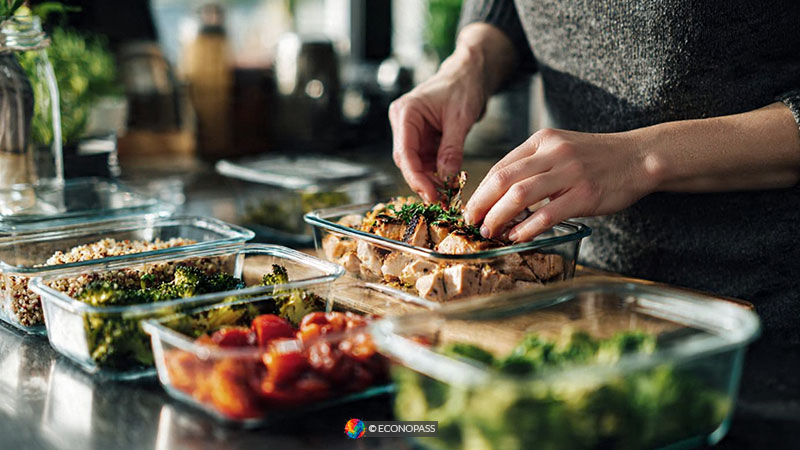
I batch-cook proteins and grains. Usually this means: roasting 1.5kg chicken breast or thighs, cooking a large pot of quinoa or brown rice, roasting two sheet pans of vegetables (whatever’s in season). I portion the proteins into containers for lunches. The grains go in one large container. Vegetables stay in a big bowl.
3:00pm – Portioning (15 minutes):
I assemble 4-5 lunch containers for myself and my husband — protein, grain, vegetables, simple dressing on the side. I chop vegetables for the kids’ school lunches and put them in small containers. I prep breakfast components if needed (hard-boil eggs, portion yogurt, cut fruit).
3:15pm – Cleanup (15 minutes):
Everything goes in the dishwasher. Kitchen reset.
That’s it. Notice what I’m not doing: prepping every single meal, trying complicated new recipes, making Instagram-perfect arrangements, cooking different meals for everyone. This system is sustainable because it’s simple.
Why Meal Prep Actually Works for Weight Loss
The Research on Planning and Weight
A comprehensive study in PMC examined over 40,000 French adults and found that individuals who planned their meals were significantly more likely to have better dietary quality, including higher adherence to nutritional guidelines and increased food variety. More importantly for weight management, meal planning was associated with lower odds of being obese in both men and women, and lower odds of being overweight in women.
The researchers concluded that meal planning could be a valuable tool to offset time scarcity and encourage home meal preparation, which has consistently been linked with improved diet quality.
Advance Quantity Meal Preparation Study
An intervention study examined what happens when people learn systematic meal prep. Participants attended a 6-week program learning batch cooking techniques. Remarkably, even though the study didn’t recruit people seeking weight loss, participants lost an average of 4 pounds during the 6 weeks.
More impressively, when researchers followed up three months after the program ended, participants had lost an additional 7.5 pounds on average by maintaining their once-weekly meal prep habits. The weight loss came from fat, not muscle. Simply by preparing food in advance, people naturally made better choices and consumed appropriate portions.
Planning Frequency Predicts Success
Research in PMC on a workplace weight loss program found that greater average meal planning frequency predicted greater weight loss outcomes. The study revealed something crucial: meal planning works best as a long-term sustainable goal rather than a short-term tactic.
Participants who established consistent planning habits early in the program and maintained them throughout achieved better results than those who only planned sporadically. The researchers noted that if participants engaged in frequent and consistent meal planning, it became a powerful tool. But occasional planning when motivated didn’t produce the same benefits.
This matches exactly what I found personally: meal prep only transformed my family’s eating when I made it a non-negotiable weekly routine, not something I did when I felt motivated.
The Practical Benefits I Actually Experience
Eliminates Hungry Decision-Making
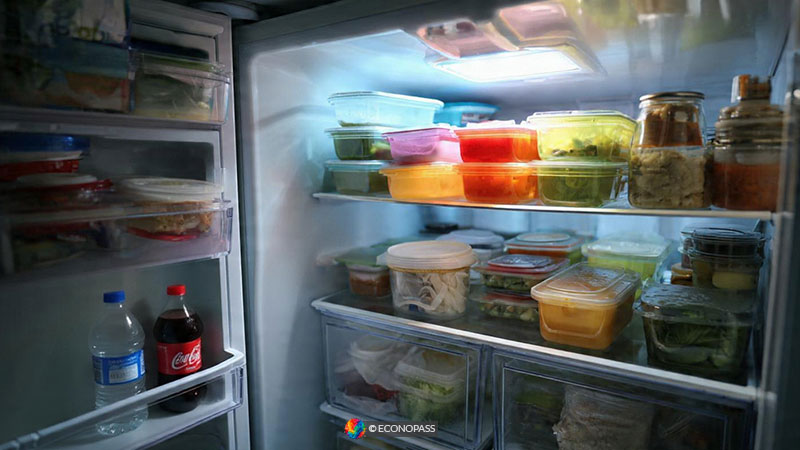
The biggest benefit isn’t even about the food itself — it’s about removing decisions when I’m exhausted and hungry. Research shows hunger makes us impulsive and overrides attempts to make healthy food choices. When I arrive home hungry at 6pm now, I’m not deciding what to eat. I’m just reheating what’s already prepared.
This single change probably accounts for most of the benefit. My worst eating happened during that vulnerable window between arriving home and getting food on the table. Meal prep eliminated that window entirely.
Automatic Portion Control
When I portion meals into containers on Sunday afternoon, I’m not hungry. I can think clearly about appropriate serving sizes. A reasonable portion of chicken looks different when you’re portioning it calmly versus when you’re starving and serving yourself dinner.
The research backs this up: studies show people choose different portion sizes based on their mindset. When thinking about health effects of foods while meal planning, people naturally select smaller portions. During the actual meal when hungry, portions grow.
Saves Actual Money
We used to order takeout or eat at restaurants 4-5 times weekly. Now it’s maybe once. That’s saved us approximately 3,500 kronor monthly (about €300). The grocery bill went up slightly because I buy more fresh ingredients, but the net savings are substantial.
There’s also less food waste. When I buy ingredients with specific meals planned, everything gets used. Before meal prep, I’d buy vegetables with vague intentions of “eating healthy,” then throw them away when they rotted because I never got around to cooking.
Reduced Stress
This benefit surprised me. I thought meal prep would add stress — another Sunday task to complete. Instead, it dramatically reduced weeknight stress. No more standing at the fridge wondering what to make. No more 6pm panic. No more feeling like a failure when we ordered pizza again.
My Sunday afternoons now include 90 minutes of focused cooking. My weeknight evenings are calmer. The trade-off is absolutely worth it.
How to Actually Start Meal Prepping
Start Extremely Small
This is the most important advice: don’t try to prep every meal for the entire week initially. Start with preparing just 2-3 lunches. That’s it. Get comfortable with that routine for a month before expanding.
Most people fail at meal prep because they attempt too much too soon, get overwhelmed, then quit. Better to successfully prep three lunches weekly for six months than to prep fifteen meals once, exhaust yourself, and never do it again.
Choose Repeatable Recipes
Pick 3-5 simple recipes you already know how to make and rotate them. You’re not trying to eat something different every day — you’re trying to establish sustainable habits. Eating the same lunch Monday through Wednesday is fine. It’s certainly better than skipping lunch or grabbing whatever’s convenient.
My core rotation includes: chicken with roasted vegetables and quinoa, Swedish meatballs with root vegetables, salmon with dill sauce and potatoes, and a simple grain bowl with chickpeas. I’ve made each recipe dozens of times. I can prep them efficiently without thinking.
Invest in Proper Containers
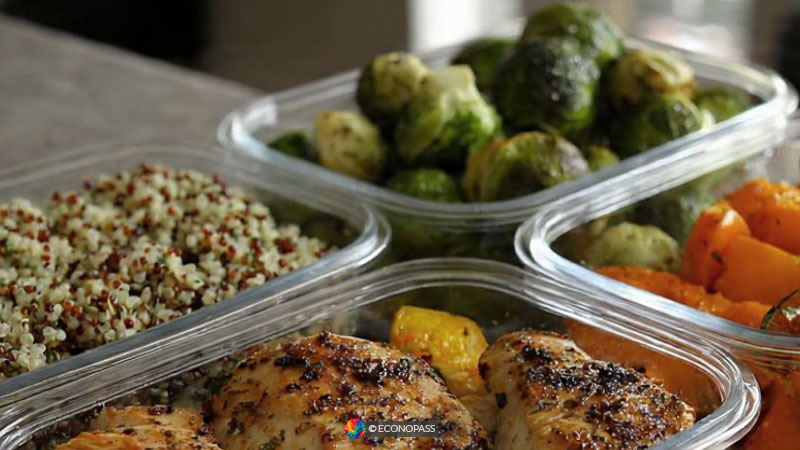
You don’t need expensive specialized systems, but you do need containers that work. I use simple glass three-compartment containers with tight-sealing lids. The three compartments make portioning automatic — protein in one section, grain in another, vegetables in the third.
Glass containers are worth the investment because: they don’t stain or retain odors, they can go from fridge to microwave to dishwasher, they last for years, and food looks more appealing in glass than plastic. When your lunch looks good, you’re more likely to eat it rather than abandoning your prep and buying something else.
Batch Cook Components, Not Complete Meals
This was my big breakthrough. Instead of making seven complete different meals, I cook components that can mix and match:
- Proteins: Roasted chicken, baked salmon, Swedish meatballs
- Grains: Quinoa, brown rice, bulgur wheat
- Vegetables: Roasted root vegetables, sautéed greens, raw salad components
- Sauces/Dressings: Simple vinaigrettes, tahini sauce, yogurt-dill sauce
Then during the week, I combine them differently. Monday might be chicken, quinoa, roasted vegetables with tahini sauce. Wednesday might be the same chicken and quinoa but with fresh salad and vinaigrette. It doesn’t feel repetitive because the combinations vary.
Prep What Stores Well, Cook Fresh What Doesn’t
Some foods hold up perfectly for 4-5 days. Others don’t. Understanding this prevents waste and disappointment.
Stores well in the fridge:
- Roasted chicken, turkey, lean beef
- Cooked grains (quinoa, rice, bulgur)
- Roasted root vegetables (potatoes, carrots, beets, sweet potatoes)
- Hard-boiled eggs
- Beans and lentils
- Most cooked vegetables (except leafy greens)
Add fresh right before eating:
- Leafy salad greens (pack separately, assemble when eating)
- Avocado (slice fresh)
- Fresh berries (add to yogurt/oatmeal day-of)
- Dressing (always keep separate to prevent sogginess)
- Crunchy toppings (nuts, seeds, croutons)
I prep the base components that store well, then add fresh elements throughout the week. This keeps meals from becoming boring or unappetizing.
Common Mistakes I Made (So You Don’t Have To)
Trying Too Many New Recipes
Sunday meal prep isn’t the time to experiment with that complicated Moroccan tagine recipe you found. Stick with familiar recipes you can execute efficiently. Save new recipe adventures for evenings when you have time and energy to enjoy the process.
Not Labeling Containers
I learned this the hard way: after three days, you can’t remember which container has the chicken with curry sauce versus the chicken with tahini. Label everything with the date and contents using masking tape and a marker. Takes 30 seconds, saves confusion.
Overfilling the Week
I used to prep lunches and dinners for every day Monday through Friday. This created pressure — if we wanted to eat out one night or I felt like cooking fresh on Wednesday, the prepped food would go to waste or I’d force myself to eat it when I didn’t want to.
Now I prep 3 dinners and 4-5 lunches. This leaves flexibility for spontaneous plans, fresh cooking when motivated, or occasional restaurant meals. The prep serves as a safety net, not a rigid requirement.
Neglecting Breakfast and Snacks
I initially focused only on lunch and dinner, but my mornings remained chaotic. Now I include simple breakfast prep: hard-boil a dozen eggs, portion yogurt into containers with measured granola portions separate, cut fruit. Having breakfast components ready makes mornings dramatically smoother, especially with three kids to get out the door.
Adapting Meal Prep to Different Approaches
Meal prep works with any dietary approach. The core principles — planning ahead, batch cooking, portioning in advance — apply whether you’re following Mediterranean, keto, paleo, or any other pattern.
For lower-carb approaches like keto, prep focuses on proteins, healthy fats, and non-starchy vegetables. For plant-based eating, prep emphasizes beans, lentils, tofu, whole grains, and varied vegetables. The system remains the same; only the specific foods change.
I often combine meal prep with intermittent fasting. Having healthy food prepared makes it easier to break your fast with nutritious choices rather than grabbing whatever’s convenient when the eating window opens.
What I’ve Learned After Three Years
Meal prep isn’t about perfection. It’s not about color-coordinated Instagram photos or eating exclusively from containers. It’s about reducing friction between you and healthy eating.
Some weeks I prep extensively — maybe I’m feeling energized or I know the week ahead will be particularly busy. Other weeks I just roast chicken and cook rice and call it done. Both approaches work because the goal is progress, not perfection.
The research supports this flexible approach. Studies show that consistent meal planning — even simple planning — produces better outcomes than sporadic elaborate efforts. The participants who sustained weight loss were those who made planning a regular habit, not those who occasionally executed perfect meal prep marathons.
My family eats better now. Not because every meal is nutritionally optimized or Instagram-worthy, but because we consistently have healthy food available when we need it. The chaotic 6pm fridge-staring is gone. The excessive takeout spending is gone. The guilt about feeding my kids pizza four nights weekly is gone.
That Tuesday evening question from my daughter — “Why do you tell other people how to eat healthy but we always have pizza?” — was the push I needed. Now when she asks what’s for dinner, I can actually give her an answer. Usually it’s something I prepared on Sunday, reheating in the oven while we talk about her day.
That’s what meal prep really offers: not perfection, but consistency. Not complexity, but simplicity. Not rigid control, but sustainable routines that make healthy eating the path of least resistance instead of constant effortful decision-making.
And that, it turns out, is what actually works long-term.
Lila.
Frequently Asked Questions
How long does meal-prepped food stay fresh?
Most properly stored meal prep lasts 4-5 days in the refrigerator. Cook on Sunday, and your food stays fresh through Thursday. Proteins like chicken, fish, and lean beef hold up well. Cooked grains and roasted vegetables remain good throughout the week. If you want food to last longer, freeze half your portions immediately after cooking — they’ll keep for 2-3 months and can be defrosted as needed. Always use airtight containers and keep your fridge at 4°C (40°F) or below.
Do I need to eat the same thing every day?
No. The batch component approach prevents this. Cook 2-3 proteins, 2 grains, and several vegetable options, then combine them differently each day. Monday might be chicken with quinoa and roasted vegetables; Wednesday might be the same chicken with rice and fresh salad. The components are the same but the combinations vary. You can also prep just weekday lunches (which can repeat) while cooking dinners fresh for more variety.
What if I don’t have time on Sundays?
Meal prep doesn’t have to happen on Sundays. Choose whichever day works for your schedule — Monday evening, Saturday morning, or split it across two shorter sessions. Some people prefer prepping twice weekly (Wednesday and Sunday) with smaller batches rather than one long session. The timing matters less than the consistency. Find a schedule that fits your life and stick with it.
How do I meal prep if I’m cooking for one person?
Meal prep is actually easier for one person because you need fewer variations. Cook one protein (like a whole chicken or salmon filet), one grain, and roasted vegetables. Portion into 4-5 containers and you’re set for the work week. The challenge is preventing boredom, so vary your sauces and seasonings. Freeze excess portions — cooking once every two weeks becomes possible when you utilize your freezer strategically.
Can meal prep work for families with picky eaters?
Yes, with the component approach. Prep plain proteins (unseasoned chicken, simple meatballs) and basic sides (plain rice, roasted potatoes), then let family members customize. Kids might eat plain chicken with ketchup while adults add curry sauce. Everyone gets the same base components with personalized finishing touches. This prevents cooking entirely separate meals while accommodating different preferences.
What containers should I buy for meal prep?
Start with 5-7 glass three-compartment containers (roughly 900ml capacity) with tight-sealing lids. Glass is more expensive initially but lasts years, doesn’t stain, goes in microwave/oven/dishwasher, and makes food look more appealing. The three compartments automatically create balanced portions — protein in one section, grain in another, vegetables in the third. Avoid cheap plastic containers that stain, warp, and need frequent replacement. Buy all the same brand so lids are interchangeable.
Sources for my article
- PMC. “Meal planning is associated with food variety, diet quality and body weight status in a large sample of French adults.” https://pmc.ncbi.nlm.nih.gov/articles/PMC5288891/
- PMC. “Greater Average Meal Planning Frequency Predicts Greater Weight Loss Outcomes in a Worksite-Based Behavioral Weight Loss Program.” https://pmc.ncbi.nlm.nih.gov/articles/PMC7982781/
- Everlywell. “The benefits of meal planning and prepping for successful weight management.” https://www.everlywell.com/blog/weight-management/benefits-of-meal-planning-for-weight-management/
- PMC. “Sustaining weight loss among adults with obesity using a digital meal planning and food purchasing platform for 12, 24, and 36 months.” https://pmc.ncbi.nlm.nih.gov/articles/PMC7818217/
- Treo Wellness. “Proven Results From Meal Prep.” https://treowellness.com/blog/proven-results-from-meal-prep/
- Fresh Meal Plan. “10 Real Benefits of Meal Prepping.” https://freshmealplan.com/blogs/news/benefits-of-meal-prepping
- Healthline. “The Ultimate Guide to Meal Prepping for Weight Loss.” https://www.healthline.com/nutrition/meal-prep-for-weight-loss

A Note from Lila
The advice and information in this article come from my experience as a mother of three and my work in wellness. It’s intended to support your wellness journey with evidence-based insights. This is not medical advice. Please consult your healthcare provider for decisions about your health.
📖 Read My Full Story & PhilosophyLearn about my Swedish “lagom” approach to balanced family health
Reading Suggestions
![Healthy Weight Loss Recipes: 7 Delicious Meals Tha...]()
Healthy Weight Loss Recipes: 7 Delicious Meals Tha...
Weight Management![Best Breakfasts for Weight Loss: Start Your Day Ri...]()
Best Breakfasts for Weight Loss: Start Your Day Ri...
Health & Fitness![The Paleo Diet: Complete Guide to Eating Like Our ...]()
The Paleo Diet: Complete Guide to Eating Like Our ...
Health & Fitness![Counting Calories & Macros: The Complete Guide...]()
Counting Calories & Macros: The Complete Guide...
Health & Fitness![The Complete Keto Diet Guide: From Beginner to Suc...]()
The Complete Keto Diet Guide: From Beginner to Suc...
Health & Fitness![The Mediterranean Diet: 7 Pillars for Better Healt...]()
The Mediterranean Diet: 7 Pillars for Better Healt...
Health & Fitness