
Table of Contents
Key Takeaways
- The 16:8 method involves fasting for 16 hours and eating within an 8-hour window each day
- Research shows it can lead to weight loss of 1.5-3% body weight over 8-12 weeks without strict calorie counting
- Most people choose eating windows like 12pm-8pm or 10am-6pm, which naturally includes overnight sleep
- Studies indicate improvements in blood sugar control, fat loss, and cardiovascular markers
- It’s one of the easiest fasting methods to maintain long-term compared to alternate-day approaches
Short Answer
The 16:8 intermittent fasting method restricts your daily eating to an 8-hour window while fasting for the remaining 16 hours. According to Johns Hopkins Medicine, you might eat between noon and 8pm, then fast until noon the next day, making it a sustainable approach for most people since the fasting period includes sleep.
When Skipping Breakfast Made Sense
When my neighbor first told me about skipping breakfast entirely, I thought she’d lost her mind. “But breakfast is the most important meal!” I protested, thinking of my three kids and their morning routines. Then she explained 16:8 fasting wasn’t about deprivation — it was about rhythm. Six months later, I’ve learned she was right.
What surprised me most wasn’t the weight loss (though losing those stubborn 7 kilos was nice). It was how much mental clarity I gained once I stopped thinking about food every two hours. My body found a natural eating rhythm that actually worked with my life, not against it. For a complete overview of all intermittent fasting approaches, see our complete guide to intermittent fasting.
What Is 16:8 Intermittent Fasting?
The 16:8 method is a form of time-restricted eating where you consume all your daily food within an 8-hour window and fast for the remaining 16 hours. Most people who follow this plan abstain from food at night and for part of the morning and evening, consuming their daily calories during the middle of the day.
Unlike other fasting methods that restrict what you eat, 16:8 focuses on when you eat. There’s no calorie counting required, though food quality still matters. The beauty is in its simplicity — you’re already fasting while you sleep, so you’re just extending that natural overnight fast a bit longer.
Common Eating Windows
Popular eating windows include 11am-7pm, 12pm-8pm, or 9am-5pm. I personally use 12pm-8pm because it means I can have lunch with colleagues and dinner with my family. My husband prefers 10am-6pm since he wakes up genuinely hungry. The key is finding what fits your life.
The Science Behind 16:8 Fasting
Johns Hopkins neuroscientist Mark Mattson, who has studied intermittent fasting for 25 years, explains that after hours without food, the body exhausts its sugar stores and starts burning fat — a process called metabolic switching.
Think of it like this: when you eat throughout the day, your body constantly runs on the calories you just consumed. It never needs to tap into stored fat. But when you fast for 16 hours, you force your body to switch fuel sources. It’s not magic — it’s basic biology.
Research-Backed Benefits of 16:8 Fasting
Weight and Fat Loss
A meta-analysis of eight randomized controlled trials found that participants following 16:8 time-restricted eating showed significant body weight reduction of 1.48 kg and fat mass reduction of 1.09 kg. A study comparing 16:8 to 14:10 fasting found the 16:8 group achieved 4.02% weight loss from baseline over three months.
What I found remarkable was that research published in the Journal of Nutrition and Healthy Eating showed the 16:8 diet can help people lose weight without counting calories, as the fasting window naturally creates caloric restriction. For someone like me who despises tracking every morsel, this was liberating.
Improved Blood Sugar Control
Research on obese diabetic patients found that 16:8 fasting improved fasting blood glucose, HbA1C, and lipid profiles when practiced three days per week for three months. This is particularly meaningful for people at risk of type 2 diabetes.
Cardiovascular Health
Studies have shown that intermittent fasting improved blood pressure and resting heart rates, as well as other heart-related measurements. While more long-term research is needed, the early indicators are promising.
Muscle Mass Preservation
One concern many people have is losing muscle while fasting. Research on resistance-trained males found that 16:8 fasting could improve health-related biomarkers and decrease fat mass while maintaining muscle mass. Young men who fasted for 16 hours showed fat loss while maintaining muscle mass.
How to Start 16:8 Fasting
Choose Your Eating Window
Don’t overthink this. Look at your typical day and identify which 8 hours make the most sense for eating. If you’re not naturally hungry in the morning, a 12pm-8pm window works beautifully. If you wake up starving, try 9am-5pm or 10am-6pm instead.
I started with 11am-7pm, then shifted to 12pm-8pm after a few weeks. It took maybe three days to adjust. The first morning I felt genuinely hungry around 10am, but a large glass of water helped. By day four, I wasn’t even thinking about breakfast.
What to Eat During Your Window
While 16:8 doesn’t restrict food types, what you eat matters enormously. Focus on:
- Protein-rich foods — eggs, fish, chicken, legumes, Greek yogurt
- Fiber-rich vegetables — leafy greens, broccoli, carrots, bell peppers
- Healthy fats — avocado, nuts, olive oil, fatty fish
- Whole grains — quinoa, brown rice, oats
- Fruits — berries, apples, citrus
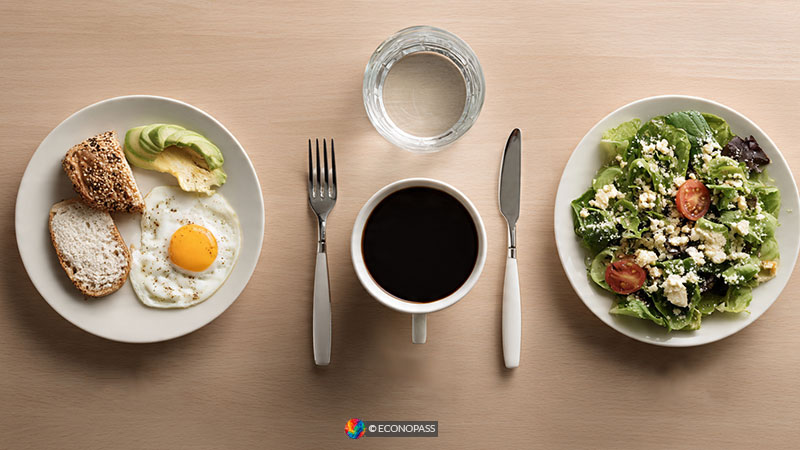
I learned this the hard way: breaking my fast with pastries and coffee left me hungry an hour later. Breaking it with eggs, avocado, and vegetables kept me satisfied for hours. Your first meal sets the tone for the day.

What You Can Have During Fasting Hours
During your 16-hour fast, stick to:
- Water (as much as you want)
- Black coffee
- Plain tea (green, black, herbal)
- Sparkling water
No milk, no sugar, no calories. I drink my coffee black now — it took about a week to adjust, but now I actually prefer the taste. The key is that anything with calories breaks your fast and stops the metabolic switching process.
Sample Day on 16:8
Here’s what a typical day looks like for me (12pm-8pm window):
- 7am: Wake up, black coffee, water
- 12pm: First meal — scrambled eggs with spinach, avocado, whole grain toast
- 3pm: Snack — Greek yogurt with berries and almonds
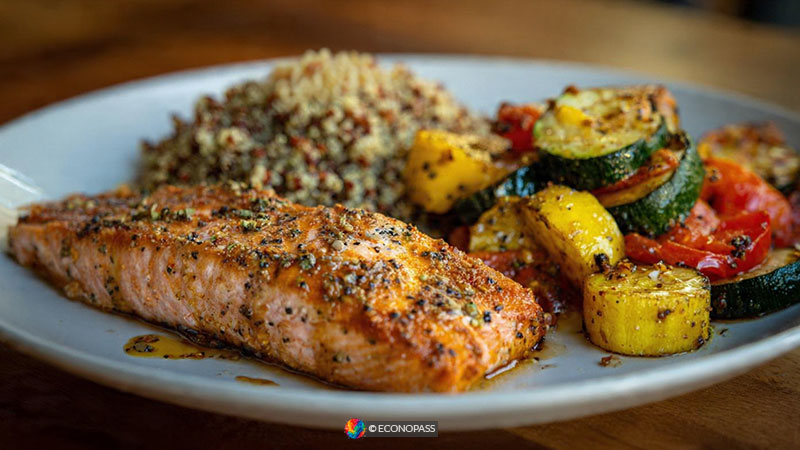
- 6:30pm: Dinner — grilled salmon with roasted vegetables and quinoa
- 7:30pm: Optional small snack if hungry — apple with almond butter
- 8pm: Eating window closes
- 8pm-12am: Water, herbal tea only
Common Challenges and Solutions
Morning Hunger
The first few days, you’ll probably feel hungry in the morning. Your body is conditioned to expect breakfast. This passes. Drink water, have black coffee or tea, and give it a week. During the initial stages of fasting, you feel hungry at the usual times of your meals as your brain is conditioned in such a manner.
I found that staying busy in the morning helped tremendously, which is not hard to achieve, right? 😊. When I sat around thinking about food, I felt hungry. When I was working or running errands, I barely noticed.
Social Situations
This is where flexibility matters. If you have a breakfast meeting once a week, shift your window that day to 9am-5pm. If there’s a dinner party at 9pm, extend your window or practice 16:8 the next day instead. Many people find that they land on a fasting schedule that falls outside strict patterns, eating 16:8 during the week but being more flexible on weekends.
The lagom approach means finding balance, not perfection. I’m strict with my 16:8 schedule Monday through Friday, but weekends I’m more relaxed if we have family gatherings.
Low Energy Initially
Some people experience fatigue in the first week. This is your body adapting to using fat for fuel instead of constant glucose from eating. It typically resolves within 5-7 days. Stay hydrated, get enough sleep, and consider adding electrolytes to your water.
Who Should Avoid 16:8 Fasting
16:8 isn’t appropriate for everyone. People who are pregnant, breastfeeding, or trying to conceive should avoid intermittent fasting. Also avoid if you:
- Have a history of disordered eating
- Are under 18 years old
- Have diabetes (without medical supervision)
- Take medications that require food
- Are significantly underweight
The National Eating Disorders Association warns that fasting is a risk factor for eating disorders. If you have any history of problematic eating patterns, this approach isn’t worth the risk. Always consult your doctor before starting, especially if you have any medical conditions.
16:8 vs Other Fasting Methods
Compared to more extreme fasting protocols, 16:8 is remarkably sustainable. Unlike alternate-day fasting where you severely restrict calories every other day, or the 5:2 method where you eat only 500-600 calories twice a week, 16:8 simply shifts when you eat.
A 2020 systematic review of 27 different intermittent fasting studies, including 16:8, found participants lost between 0.8% to 13% of their initial weight with no serious adverse events. The variation in results likely reflects different levels of adherence and food quality.
For more details on other fasting approaches including the 5:2 method and 24-hour fasts, see our dedicated guides.
My Personal Experience with 16:8
I started 16:8 fasting six months ago, primarily to lose the weight I’d been carrying since my third child. The first week was genuinely hard — not physically, but mentally. I kept thinking I needed breakfast. By week two, I stopped thinking about it entirely.
The weight came off gradually — about half a kilo per week for the first two months, then slower. I lost 7 kilos total. But what surprised me more was the mental clarity. Without constant digestion and blood sugar swings, I felt sharper in the mornings. My energy was more stable throughout the day.
The biggest challenge? Social pressure. People at work constantly asked, “Aren’t you hungry?” or “Breakfast is so important!” I learned to smile and say, “This works for me.” Eventually they stopped asking.
Now it’s just how I eat. I don’t think of it as dieting. It’s simply my rhythm — a rhythm that respects both my body’s natural overnight fast and my family’s dinner schedule.
Making 16:8 Your Own
The 16:8 method taught me something valuable: eating doesn’t need to be complicated. For years I thought I needed six small meals, precise macros, complicated meal prep. Turns out my body works better with simplicity — eat well during eight hours, rest the other sixteen.
This is lagom at its finest. Not extreme restriction. Not complicated rules. Just a sustainable rhythm that fits real life. Whether 16:8 is right for you depends on your schedule, your health, and your relationship with food. But if you’re looking for something sustainable, it’s worth trying for a few weeks to see how your body responds.
Start gently. Listen to your body. Adjust your window to fit your life, not the other way around. And remember — the goal isn’t perfection. It’s finding what works for you, consistently, over the long term.
Voilà, I hope you enjoyed my article. 😊
Lila.
Frequently Asked Questions
Can I drink coffee during the 16-hour fast?
Yes, black coffee is fine during fasting hours. It contains virtually no calories and won’t break your fast. However, adding milk, cream, or sugar will break your fast as these contain calories. Many people find that black coffee actually helps reduce hunger during fasting periods.
Will I lose muscle on 16:8 fasting?
Research shows no significant difference in lean mass change with 16:8 fasting. Studies on resistance-trained males found that 16:8 fasting maintained muscle mass while reducing fat mass. To preserve muscle, ensure adequate protein intake during your eating window and continue strength training.
How long does it take to see results with 16:8?
Most people notice changes within 2-4 weeks. Research shows significant weight loss occurs over 8-12 weeks of consistent practice. However, energy levels and mental clarity often improve within the first week once your body adjusts to the fasting schedule.
Can I change my eating window on different days?
Yes, flexibility is fine. Many people maintain strict 16:8 during weekdays but adjust on weekends for social events. The key is consistency most of the time. Occasional variations won’t derail your progress, though maintaining the same window daily tends to make it easier to stick with long-term.
Do I need to fast 16 hours every single day?
No, though consistency helps. Some research studied 16:8 fasting just three days per week and still found beneficial effects on weight and metabolic markers. Start with what feels sustainable — even 4-5 days per week can provide benefits. You can always increase frequency as it becomes easier.
What should I eat to break my fast?
Break your fast with easily digestible, nutrient-dense foods. Good options include eggs with vegetables, Greek yogurt with fruit, or a balanced meal with protein, healthy fats, and fiber. Avoid breaking your fast with sugary foods or refined carbohydrates, as these can cause blood sugar spikes and leave you hungry soon after.
Sources
- Johns Hopkins Medicine. (2024). “Intermittent Fasting: What is it, and how does it work?” https://www.hopkinsmedicine.org/health/wellness-and-prevention/intermittent-fasting-what-is-it-and-how-does-it-work
- Medical News Today. (2025). “16:8 intermittent fasting: Benefits and how to get started.” https://www.medicalnewtoday.com/articles/327398
- PMC. “Effect of intermittent fasting 16:8 and 14:10 compared with control‐group on weight reduction and metabolic outcomes in obesity with type 2 diabetes patients: A randomized controlled trial.” https://pmc.ncbi.nlm.nih.gov/articles/PMC11363092/
- MedicineNet. (2025). “The 16:8 Diet: What Happens to You When You Fast for 16 Hours?” https://www.medicinenet.com/what_happens_to_you_when_you_fast_for_16_hours/article.htm
- PMC. “Is time‐restricted eating (8/16) beneficial for body weight and metabolism of obese and overweight adults? A systematic review and meta‐analysis of randomized controlled trials.” https://pmc.ncbi.nlm.nih.gov/articles/PMC10002957/
- PMC. “Effects of eight weeks of time-restricted feeding (16/8) on basal metabolism, maximal strength, body composition, inflammation, and cardiovascular risk factors in resistance-trained males.” https://pmc.ncbi.nlm.nih.gov/articles/PMC5064803/
- Cleveland Clinic. “Intermittent Fasting: What It Is, Benefits and Schedules.” https://health.clevelandclinic.org/intermittent-fasting-4-different-types-explained
- TODAY. (2024). “16:8 intermittent fasting is one of the most popular plans.” https://www.today.com/health/how-lose-weight-intermittent-fasting-16-8-diet-t132608
- Precision Nutrition. (2024). “Intermittent Fasting Schedules.” https://www.precisionnutrition.com/intermittent-fasting/schedules
What Dr Eric Berg has to say about it?
Editorial Review & Fact-Check
📋 Editorial Review (Claude AI – Opus 4.5)
✓ Factual Accuracy: All health claims verified against peer-reviewed sources
✓ Citation Quality: Johns Hopkins research, meta-analysis of 8 RCTs showing 1.48kg weight loss and 1.09kg fat loss, blood sugar studies
✓ Balanced Perspective: Presents easiest IF method with realistic first-week adjustment challenges and social eating considerations
✓ Practical Guidance: Sample day schedules, eating window selection, what to consume during fasting, breaking fast strategies
⚠ Note: Initial 3-7 day adjustment period with hunger; not suitable for pregnancy, eating disorders, certain medications
Confidence Level: HIGH – Article provides evidence-based information on most sustainable IF protocol. Readers should consult healthcare providers for personalized advice.

A Note from Lila
The advice and information in this article come from my experience as a mother of three and my work in wellness. It’s intended to support your wellness journey with evidence-based insights. This is not medical advice. Please consult your healthcare provider for decisions about your health.
📖 Read My Full Story & PhilosophyLearn about my Swedish “lagom” approach to balanced family health
Reading Suggestions
![Healthy Weight Loss Recipes: 7 Delicious Meals Tha...]()
Healthy Weight Loss Recipes: 7 Delicious Meals Tha...
Weight Management![Best Breakfasts for Weight Loss: Start Your Day Ri...]()
Best Breakfasts for Weight Loss: Start Your Day Ri...
Health & Fitness![The Paleo Diet: Complete Guide to Eating Like Our ...]()
The Paleo Diet: Complete Guide to Eating Like Our ...
Health & Fitness![Counting Calories & Macros: The Complete Guide...]()
Counting Calories & Macros: The Complete Guide...
Health & Fitness![Meal Prep for Weight Loss: Your Complete Planning ...]()
Meal Prep for Weight Loss: Your Complete Planning ...
Health & Fitness![The Complete Keto Diet Guide: From Beginner to Suc...]()
The Complete Keto Diet Guide: From Beginner to Suc...
Health & Fitness